Respond before silencing the alarm: the Daejeon Anjeon factory fire
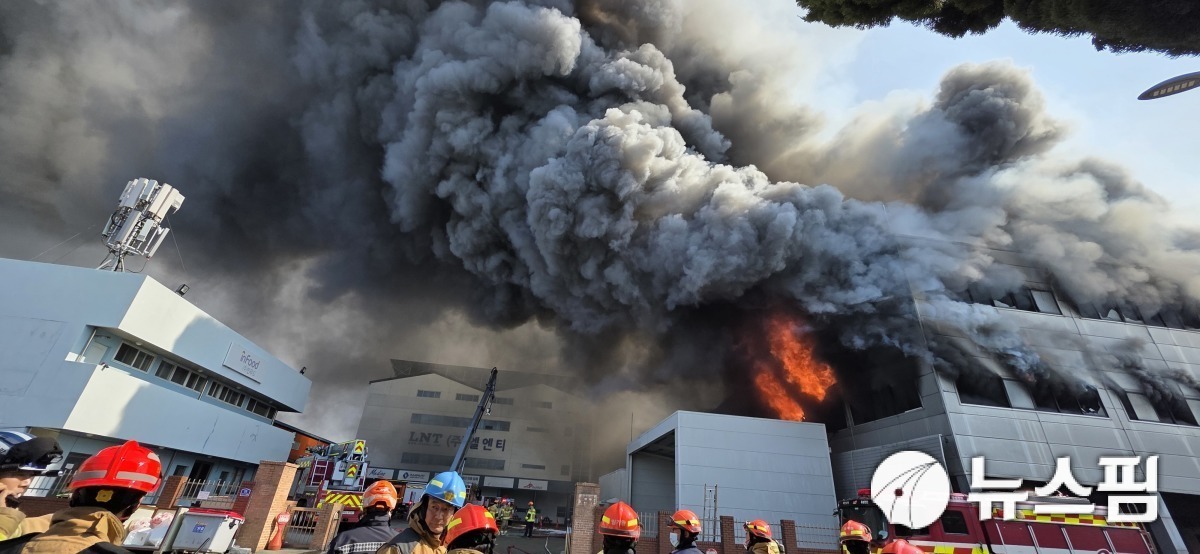
The 20 March 2026 fire at Anjeon Industrial’s Munpyeong factory in Daejeon killed 14 people and injured 60. Police later identified alarm disabling, combustible deposits and compromised fire separation as factors in the consequences.
Ignition and consequences are different questions
September reporting of the police investigation stated that the precise ignition source remained unidentified. Police nevertheless described factors contributing to spread and delayed escape.
Referral to prosecutors is not a conviction.
Fix recurring alarms instead of normalising them
Repeated unwanted alarms need competent diagnosis and correction. Workers should follow the emergency response rather than assume the next alarm is false or disable the system themselves.
Check your workplace
- Are alarms routinely silenced before action?
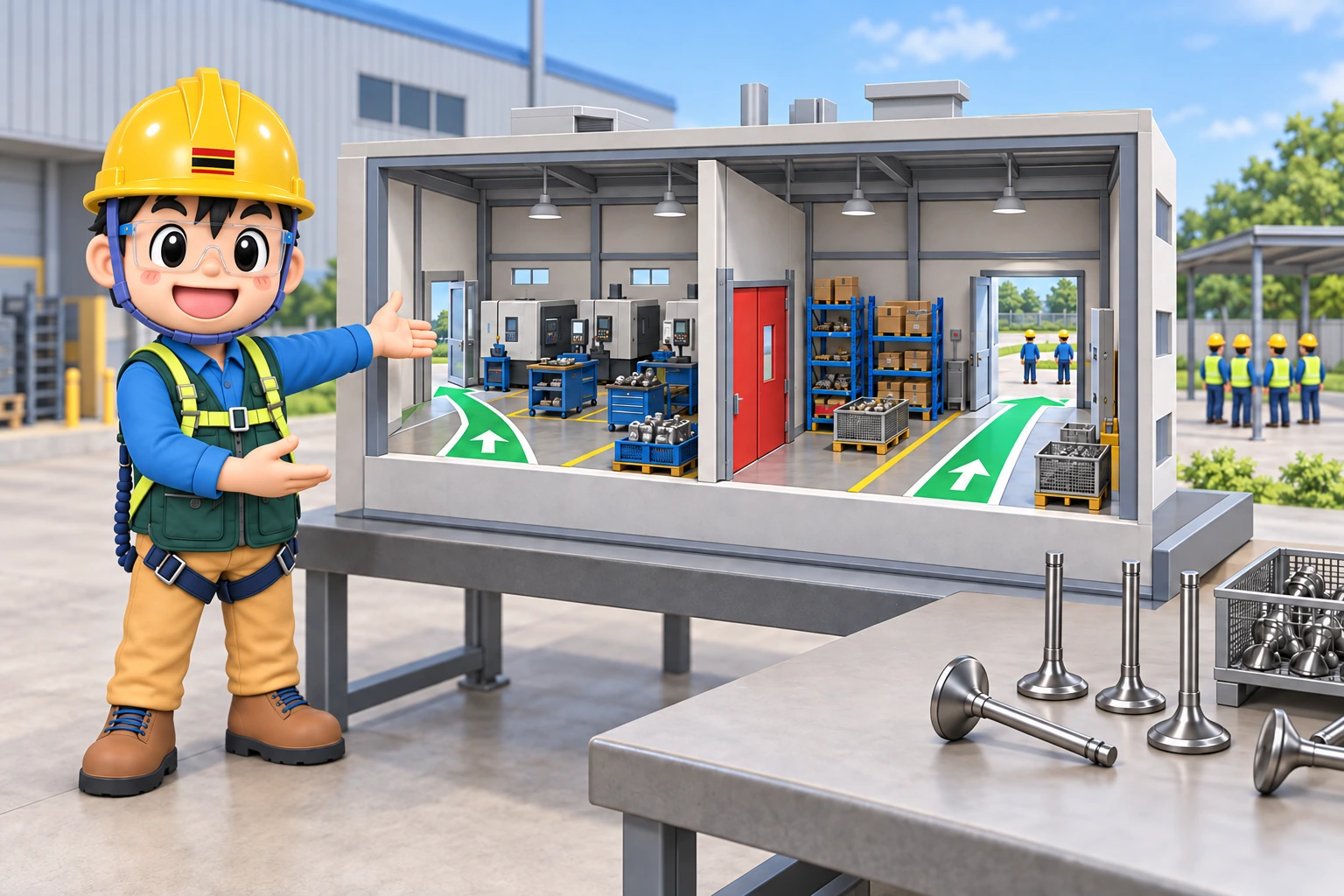
- Do fire doors and compartments remain effective?
- Can people escape from break rooms too?
Inspect hidden deposits
A clean floor does not establish that ducts and extraction equipment are free from combustible accumulation. Plan equipment-specific inspection and maintenance, including safe isolation for the maintenance itself.
Include every occupied space
Alterations and open fire doors can change smoke spread. Review escape arrangements when layout or room use changes.
Alarms and drills need to include people in rest areas, not only those on the production line.
Putting it into practice
Treat a familiar alarm as an instruction to follow the response plan. The recurring fault is for a competent maintenance process to resolve, not a reason for workers to suppress warnings.
Technical insight
Separate alarm investigation from evacuation
Suspected nuisance alarms should not create an informal delay in evacuation. Investigating the signal and directing workers to safety are different roles.
Exercises can examine the steps between alarm activation and movement to safety. Check communication and usable exits, not merely the identity of the person checking the alarm.
Korean safety resources
- KOSHA · Practical safety handbook 57: Inorganic chemical manufacturing (2021)
Korean handbook: chemical plant fire/explosion/leaks p.166 and turnaround maintenance p.203. Prevention guidance, not an investigation of this incident.
Sources
- 뉴스핌 · 대전 안전공업 화재 수사 결과대한민국 / South Korea
- HSE · 공사장 화재 예방 / General fire safety영국 지침 / UK guidance
- 고용노동부 · 아리셀 사고 후 안전 강화 대책 / MOEL safety measures대한민국 / South Korea