Risk assessment: did identified hazards lead to action and sharing?
 SAFETY KIM
Risk assessment & worker participation
Risk assessment: did identified hazards lead to action and sharing?
A short video from KOSHA and South Korea’s Ministry of Employment and Labor outlining worker participation, risk review, action and communication.
Key points
- Identify hazards with the workers who perform the task.
- Assess the risk, develop controls and put them into practice.
- Share the findings and actions, and retain records.
The participation event mentioned in the original description ended on 20 September 2026. The video covers risk-assessment training content.
Technical principles and management judgement: turn assessment into change
A completed scoring sheet alone does not show that risk has been controlled. Connect each task and exposed person to the measure taken and evidence that exposure has been reduced.
Worker experience can reveal cleaning, blockage removal and changes missing from routine descriptions. Assign owners and deadlines, check whether completed actions work, and revisit the assessment when conditions change.
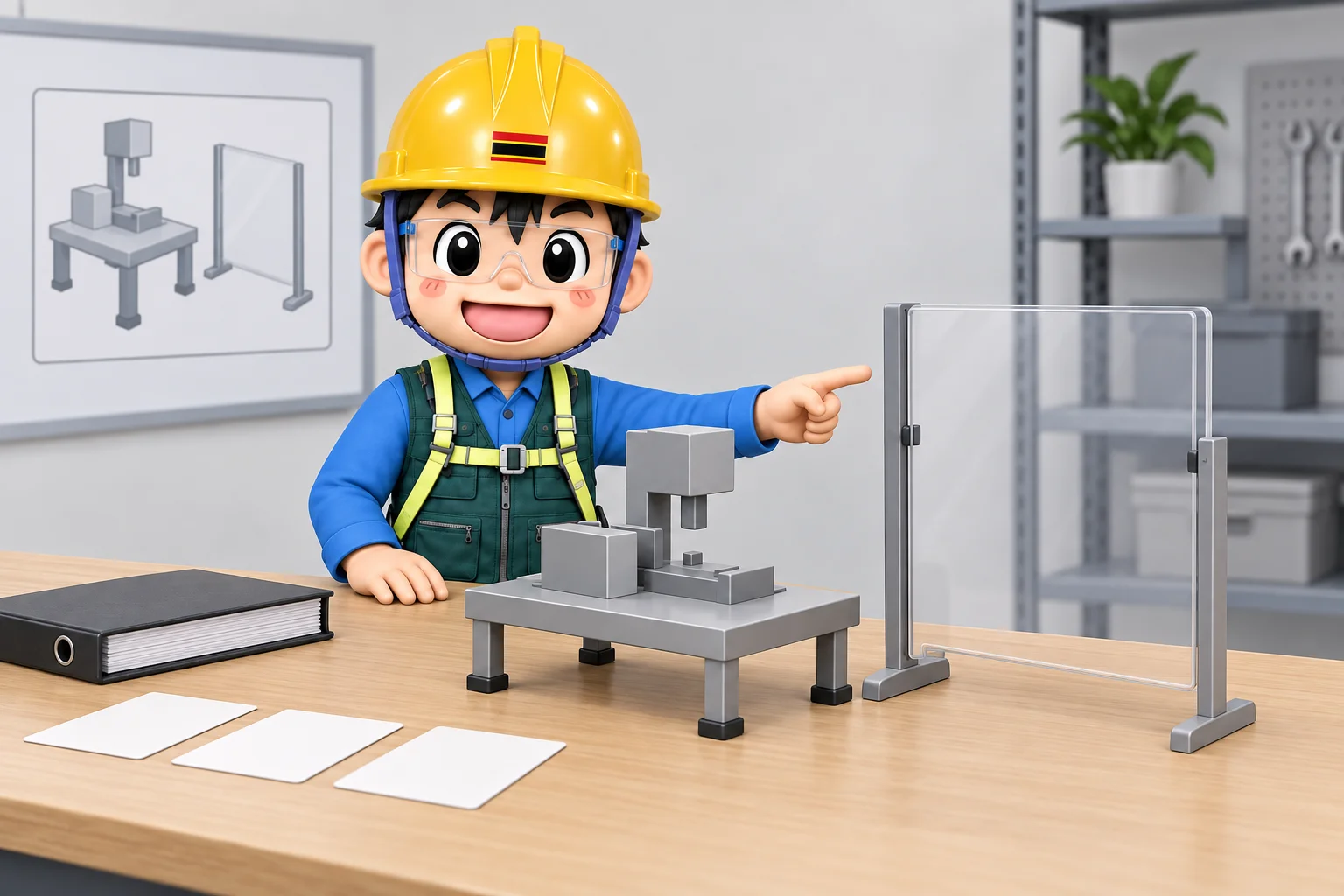
Which hazards did workers raise, and what changed in practice? Does every outstanding action have an owner and a way to verify completion?
Source: KOSHA (South Korea) · Korean-language video · 2026-08-31
KOSHA & Ministry of Employment and Labor (South Korea) ([안전콕] 위험성평가, 이렇게 해보세요!) ↗
Commentary: Field Safety Briefing · Original video: KOSHA (South Korea) · KOSHA website
If playback is unavailable, open the original video on YouTube.
Follow an identified hazard through to the improvement result
Apply the video’s hazard identification, improvement and sharing topics to a real concern at the site. Listen to the worker’s account of the movement creating exposure, and compare a warning with changes to the work conditions themselves. Completing the assessment form does not establish that the hazard is resolved.
After viewing, review the work position before and after improvement under comparable conditions. Separate outstanding concerns from completed actions and explain the result so a replacement worker understands restrictions still in place.
- Check how the improvement changed actual working conditions.
- Distinguish completed actions from remaining concerns.
Assessing risk and implementing improvement
Article 36(1) of Korea's Occupational Safety and Health Act (산업안전보건법) covers identifying hazards, deciding whether risk is acceptable, and establishing and implementing measures to reduce it. A score in an assessment form is not evidence of implementation. The decision to reduce risk needs to be followed by evidence of how working conditions changed.
Copying the same hazard phrase across tasks can hide who is exposed, when and during which movement. Maintenance access and normal operation can involve the same machine but different worker positions. Describing the access point, machine state and possibility of movement reveals more than “beware of trapping”.
Before-and-after review should go beyond a tidy photograph. Consider whether work can be done without entering the dangerous area, what protection operates when a dangerous condition arises, and whether risk has shifted to another worker. Installing a warning notice and reducing exposure are different outcomes to assess.
Participation, a representative’s request and communication
Article 36(2) requires participation by the workplace's workers in risk assessment. Paragraph 3 requires participation by the workers' representative if requested. Attendance or signature counts alone do not show how operational knowledge influenced the assessment. Ask whether workers could explain unusual work, clearing blockages and conflicts between people's movements.
Communication under paragraph 4 is a separate matter. The law provides for notification through training, briefings, posting, written or electronic means, and requires efforts to keep workers informed of hazards that could lead to serious accidents through measures such as pre-work safety meetings. Do not assume one morning meeting delivers everything or reaches absent workers.
When people or equipment conditions change, identify what information is needed to work under the same restrictions. Workers need to understand remaining hazards and temporary limits as well as completed improvements. If results remain only in the improvement team's records while work continues by the old method, reassess the connection between evaluation and actual practice.
Evidence of implementation before the score
Article 36(5) requires assessment results to be recorded and retained. Distinguishing hazard identification from implementation makes later changes easier to review. Alongside the legally required record arrangements, a practical explanation can group the earlier work conditions, the change and the remaining restrictions by task. Photographs from another task or measures still planned must not be labelled as completed implementation.
Having a risk-assessment document does not remove specific safety duties. Article 36(1) itself requires measures including those under the Act and its subordinate requirements. A low score cannot justify omitting required guards or allowing prohibited conduct. Legal compliance and decisions about further risk reduction need to remain distinct.
After viewing, select one reported improvement and explain the actual movement that changed. If the same posture and access are still necessary, establish what reduced the risk. Ask about new inconvenience and workarounds as well. Feeding that information into the next assessment distinguishes accumulating signed forms from changing work. The linked LAW-470 explanation separately addresses phased administrative-fine dates and amounts.