Case studies
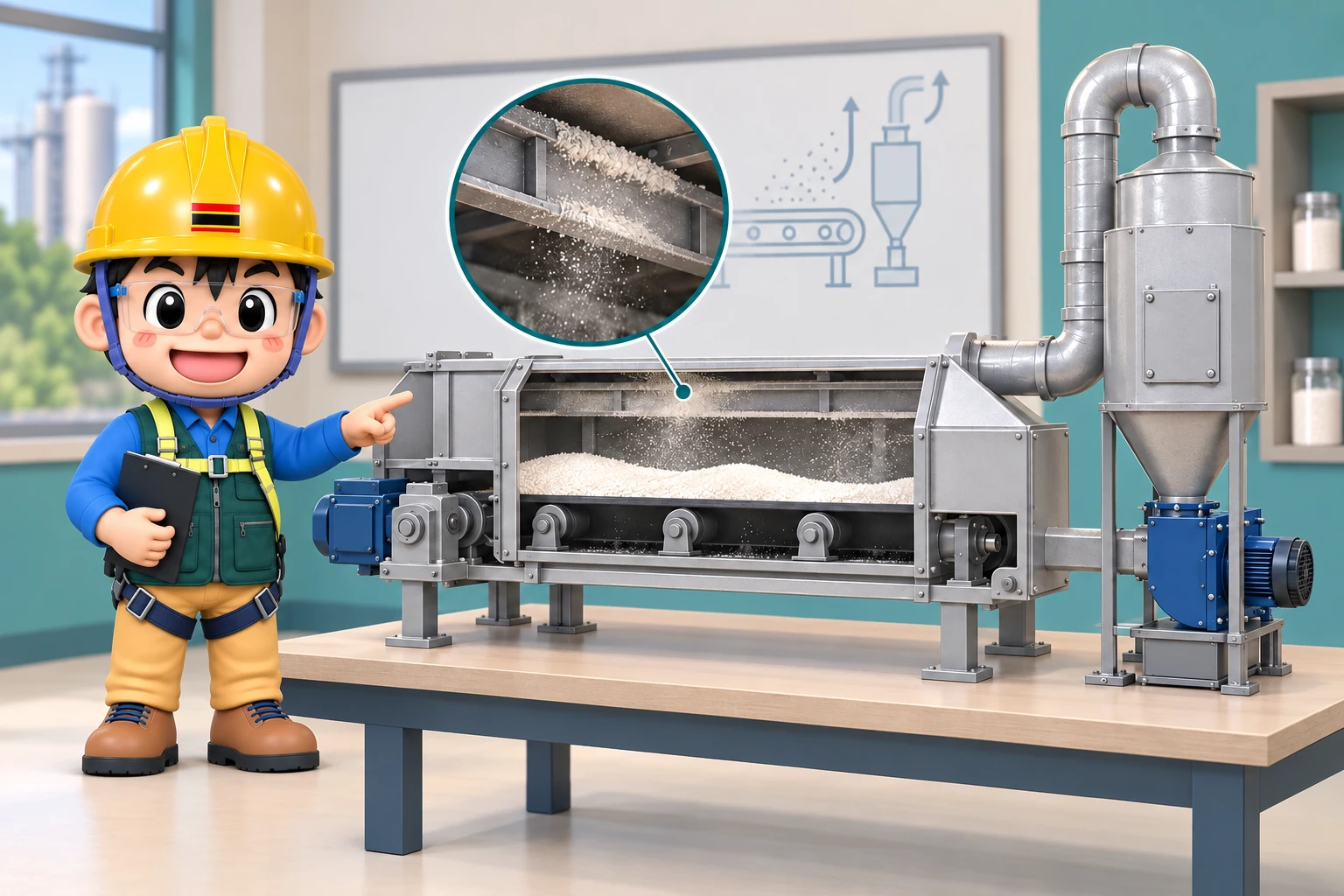
Can sugar dust spread an explosion through a factory?: The Imperial Sugar disaster
A dust explosion and fire at Imperial Sugar in Georgia, United States, on 7 February 2008 killed 14 people; the final report records 36 surviving injured workers. Deposits above floor level were part of the hazard.
Read more →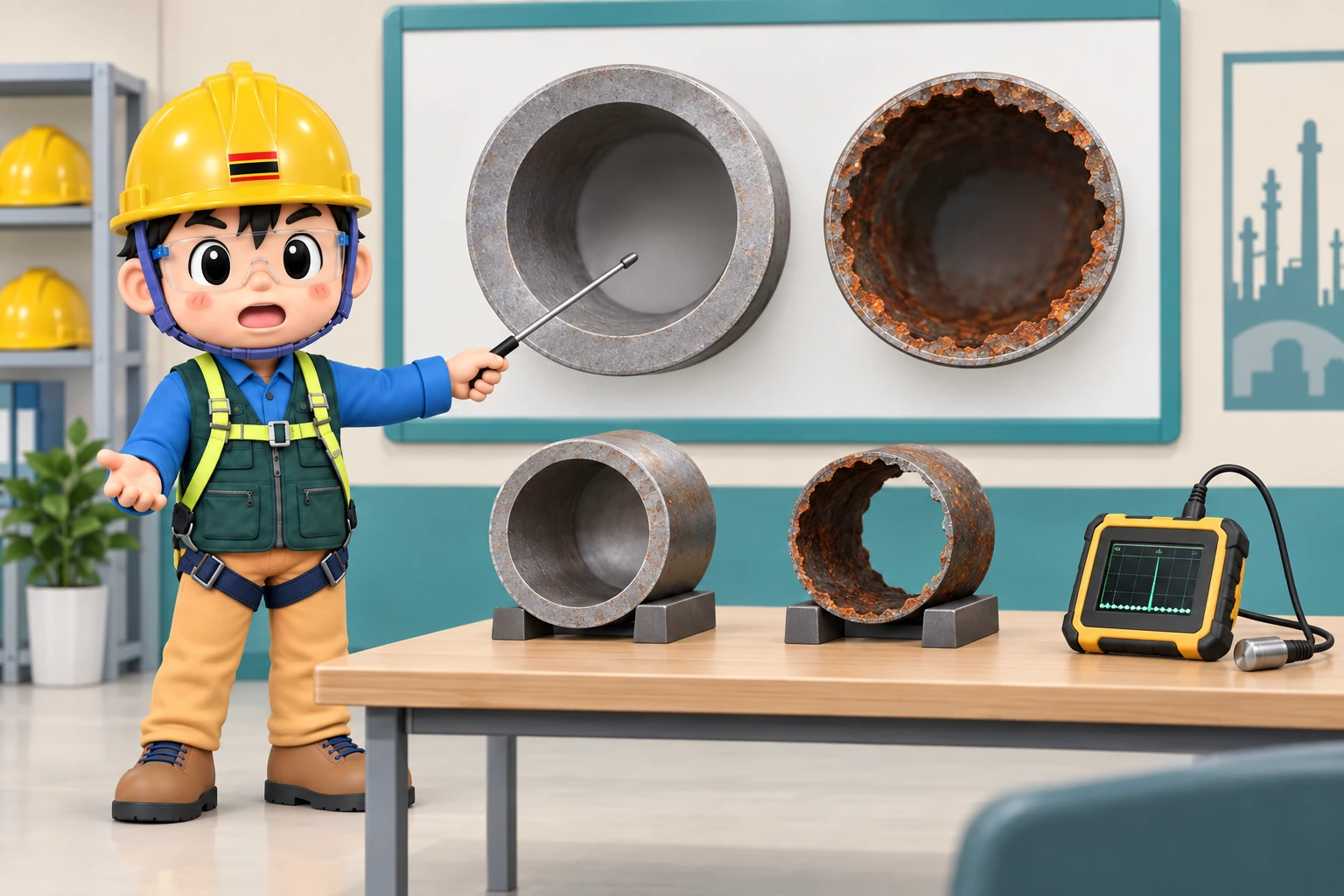
Could a small leak become a rupture during diagnosis?: The Chevron Richmond refinery fire
A pipe rupture released flammable material and caused a fire at Chevron Richmond, United States, on 6 August 2012. The case connects leak response with corrosion inspection coverage.
Read more →
Can overfill protection work when the gauge stops?: The Buncefield oil depot explosion
Explosions and a major fire occurred at Buncefield, United Kingdom, on 11 December 2005. The case highlights both normal level measurement and independent overfill protection.
Read more →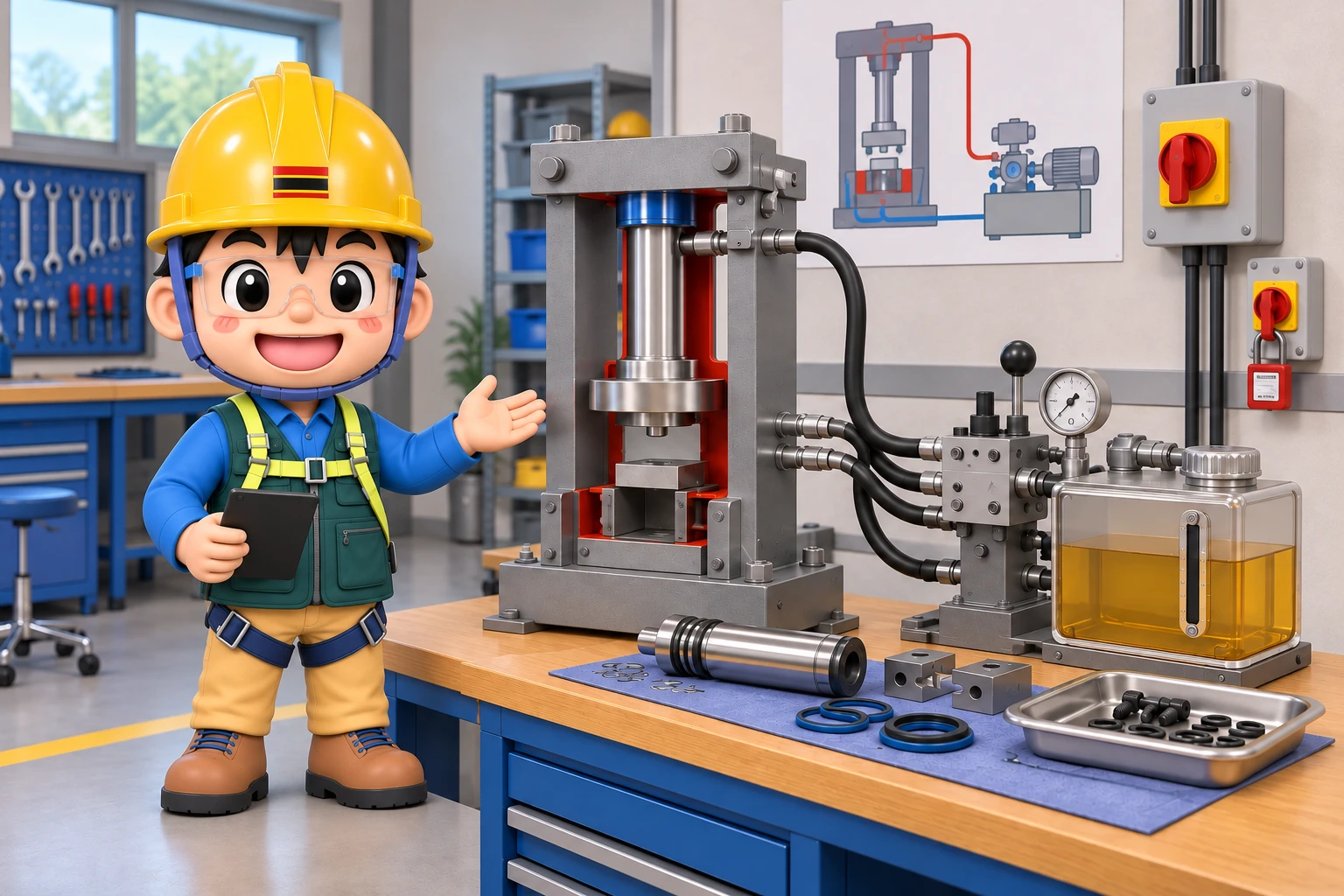
Drained does not mean safe to dismantle: the Gyeongju press explosion
An explosion and fire during press dismantling in Gyeongju on 8 September 2026 reportedly killed one worker and seriously injured two.
Read more →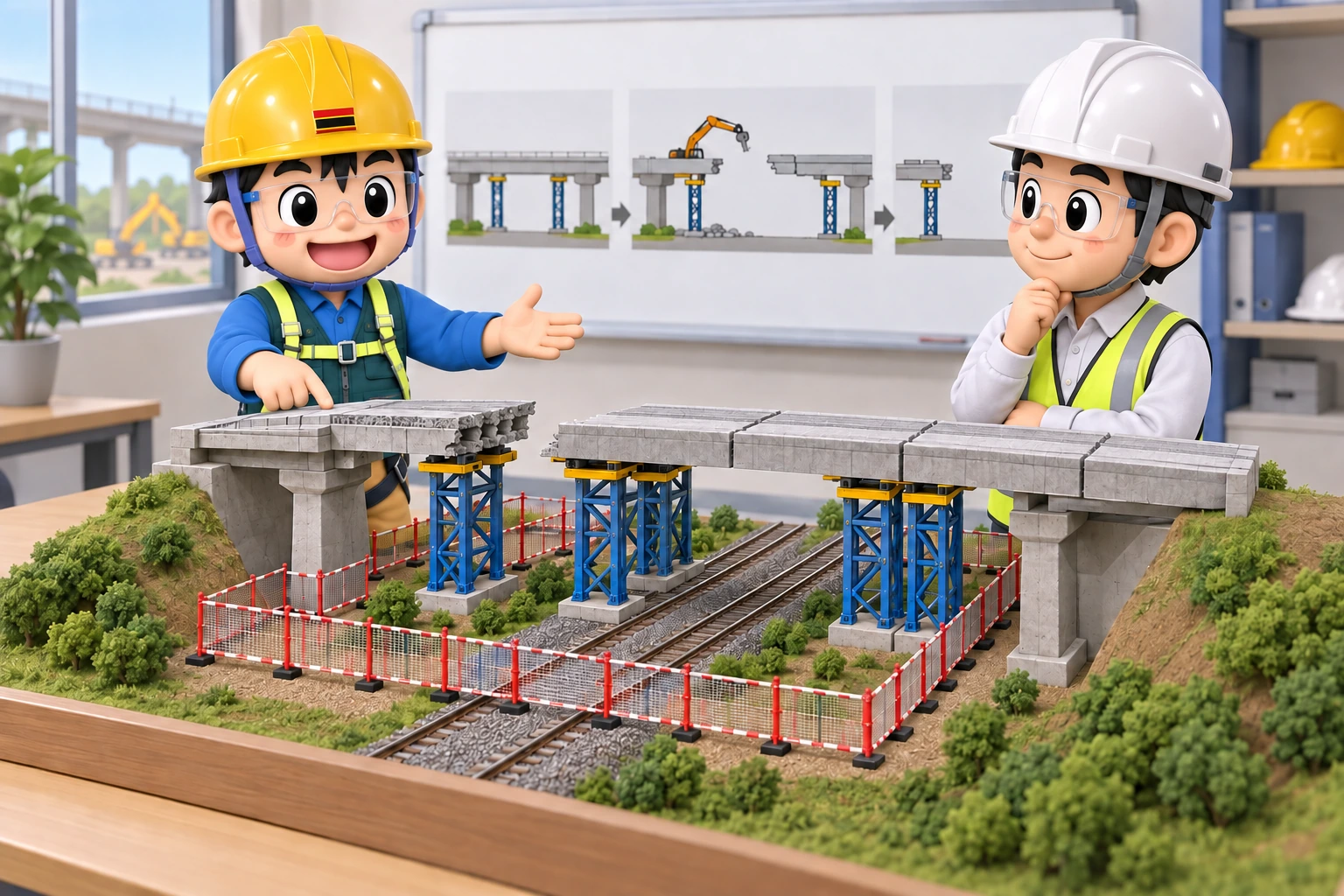
Inspection is exposure too: the Seosomun overpass collapse
Three people died and three were injured in the 26 May 2026 collapse at the Seosomun overpass demolition site in Seoul. Inspectors and people below the work were among those affected.
Read more →
Respond before silencing the alarm: the Daejeon Anjeon factory fire
The 20 March 2026 fire at Anjeon Industrial’s Munpyeong factory in Daejeon killed 14 people and injured 60. Police later identified alarm disabling, combustible deposits and compromised fire separation as factors in the consequences.
Read more →