Equipment & technology
Equipment with a similar name can have different models and operating limits. The 3M 6006K cartridge article covers target substances and restrictions, while the flame arrester explanation distinguishes gas flow from flame propagation.
Identify workplace conditions such as substances, concentration and temperature, then compare them with the instructions for the exact model. Once the principle is clear, check installation, inspection and replacement conditions that govern actual use.
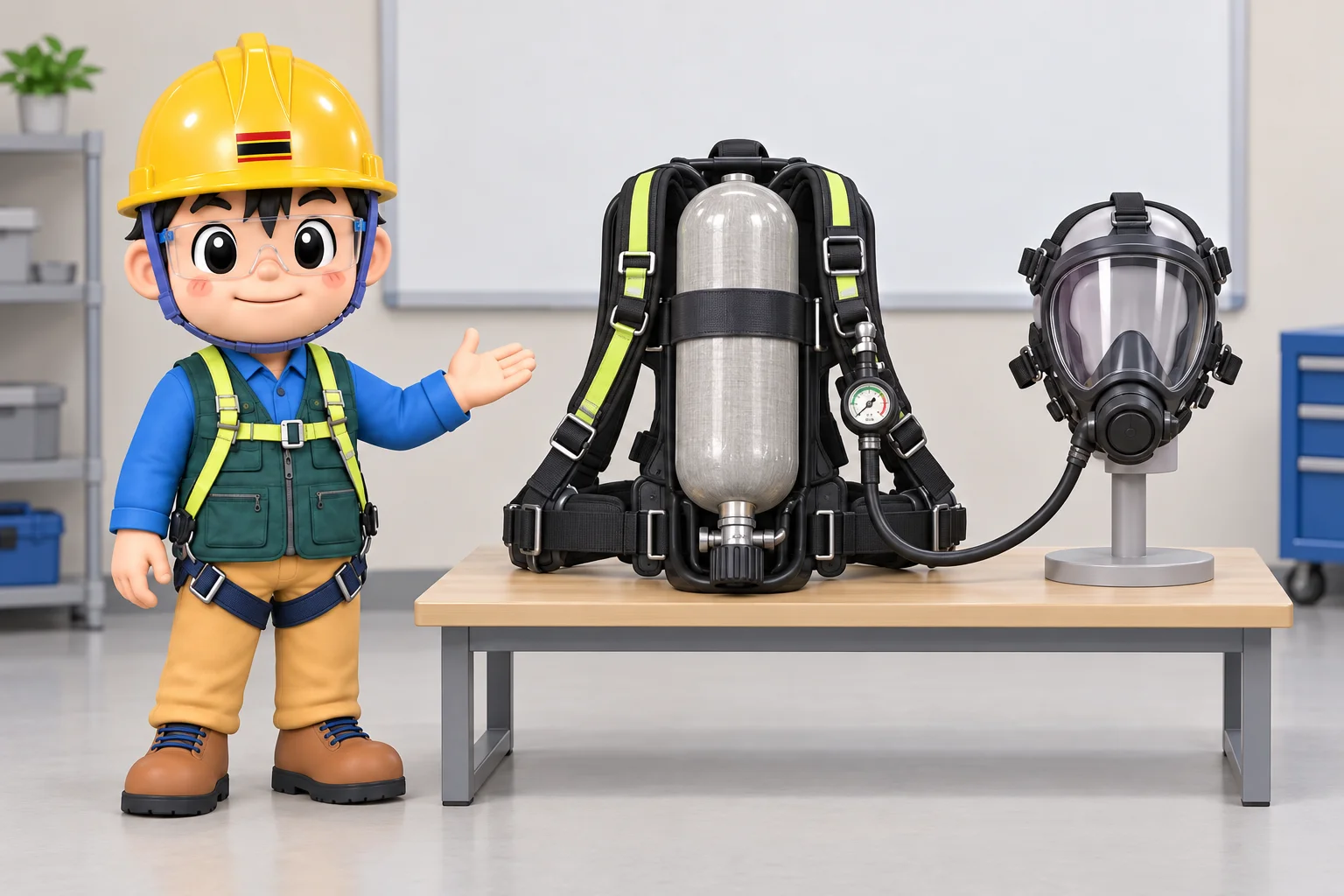
SCBA and supplied-air respirators: protection from air source to facepiece
Examine the cylinder, reducer, hose, facepiece and alarms, including wrong-source connections and supply interruption.
Read more →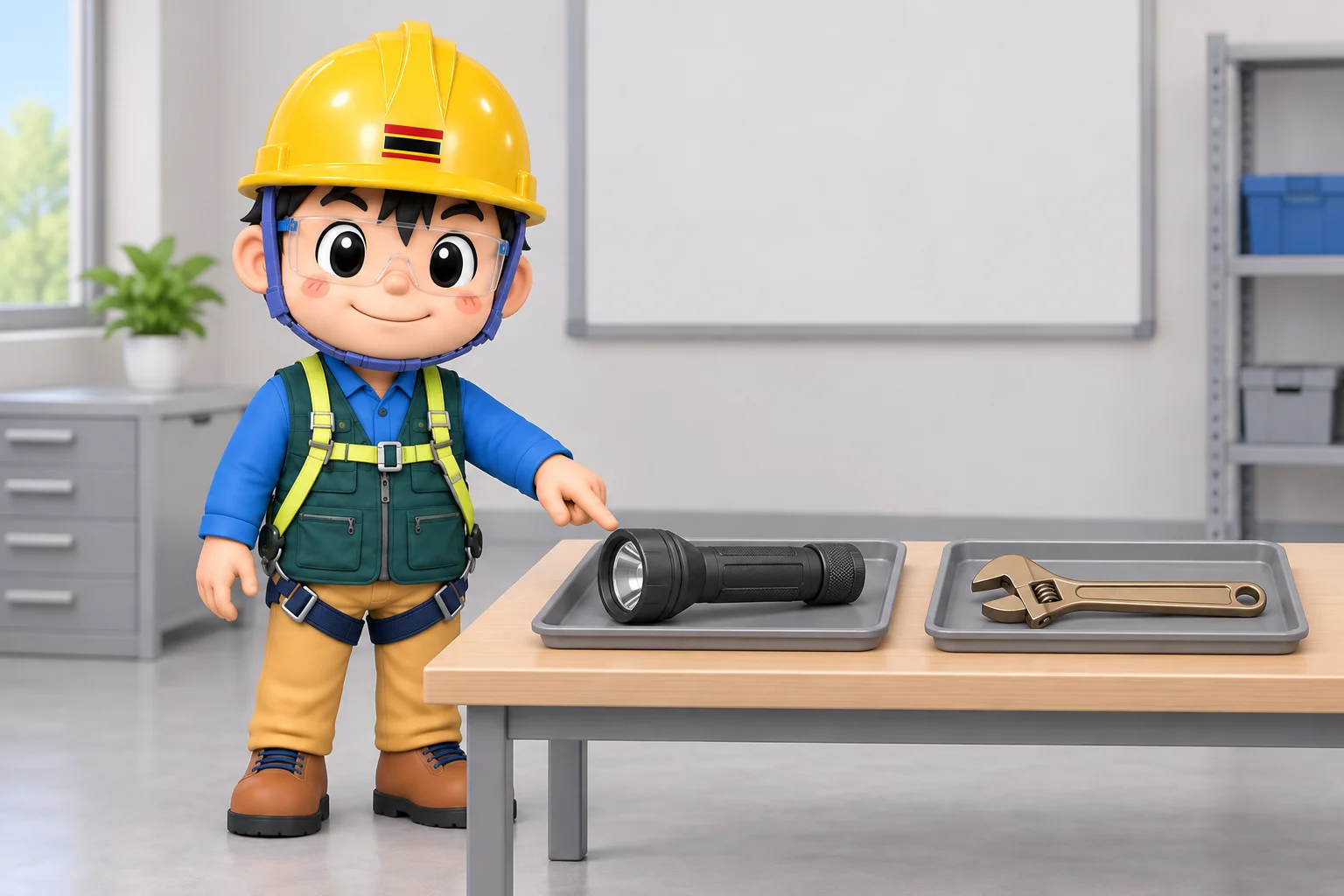
Hazardous-location lights and reduced-sparking tools: read the conditions
Separate a light’s approval, specified batteries and enclosure from a hand tool’s material, contamination and wear.
Read more →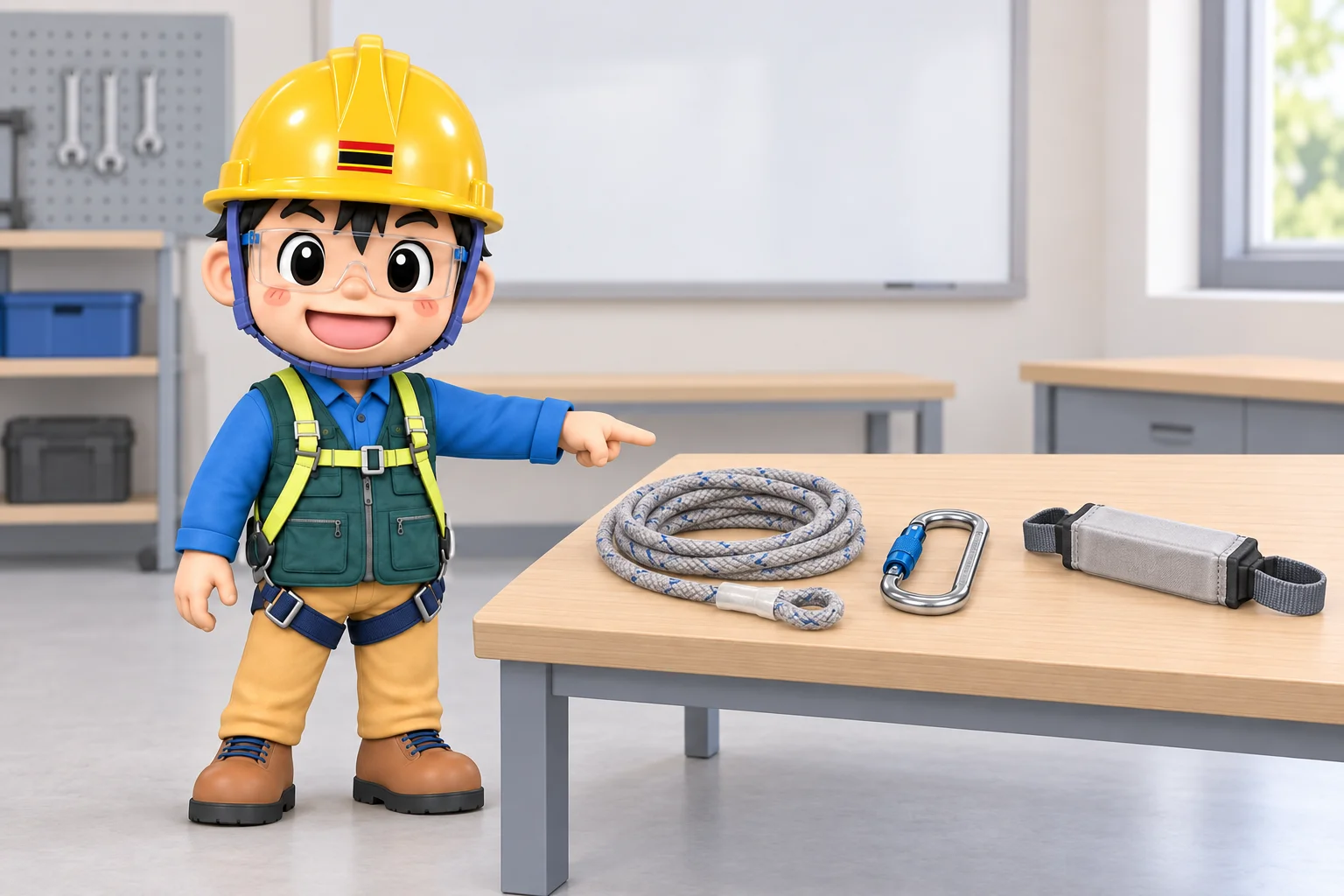
Horizontal lifelines and energy-absorbing lanyards: anchors and clearance
Lifeline deflection, absorber deployment and connector compatibility together determine the space needed to arrest a fall.
Read more →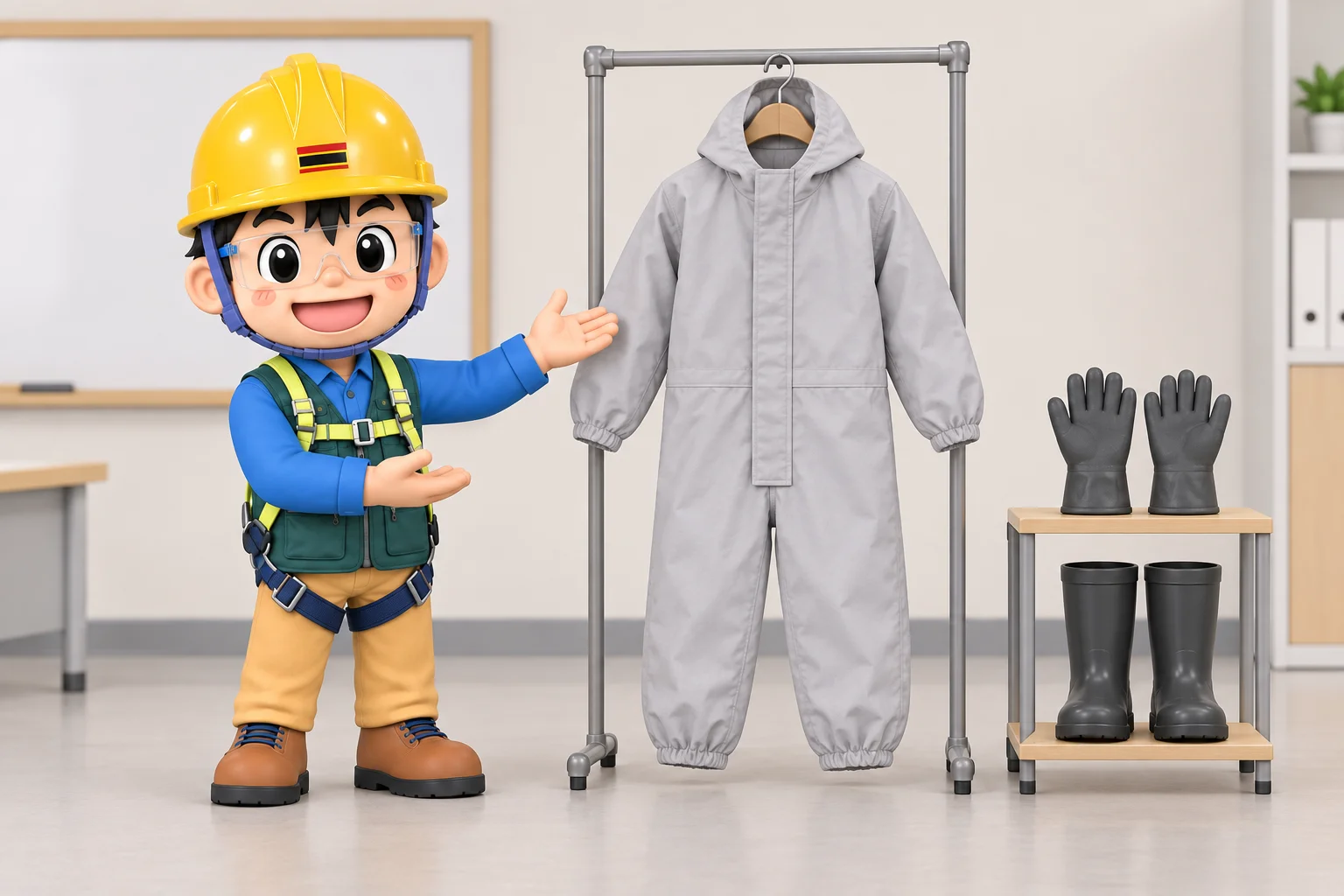
Chemical protective clothing: fabric performance and garment openings
Select material for the chemical, concentration and contact conditions, then check seams, closures and interfaces with gloves, boots and respiratory protection. Laboratory breakthrough time is not a permitted working duration.
Read more →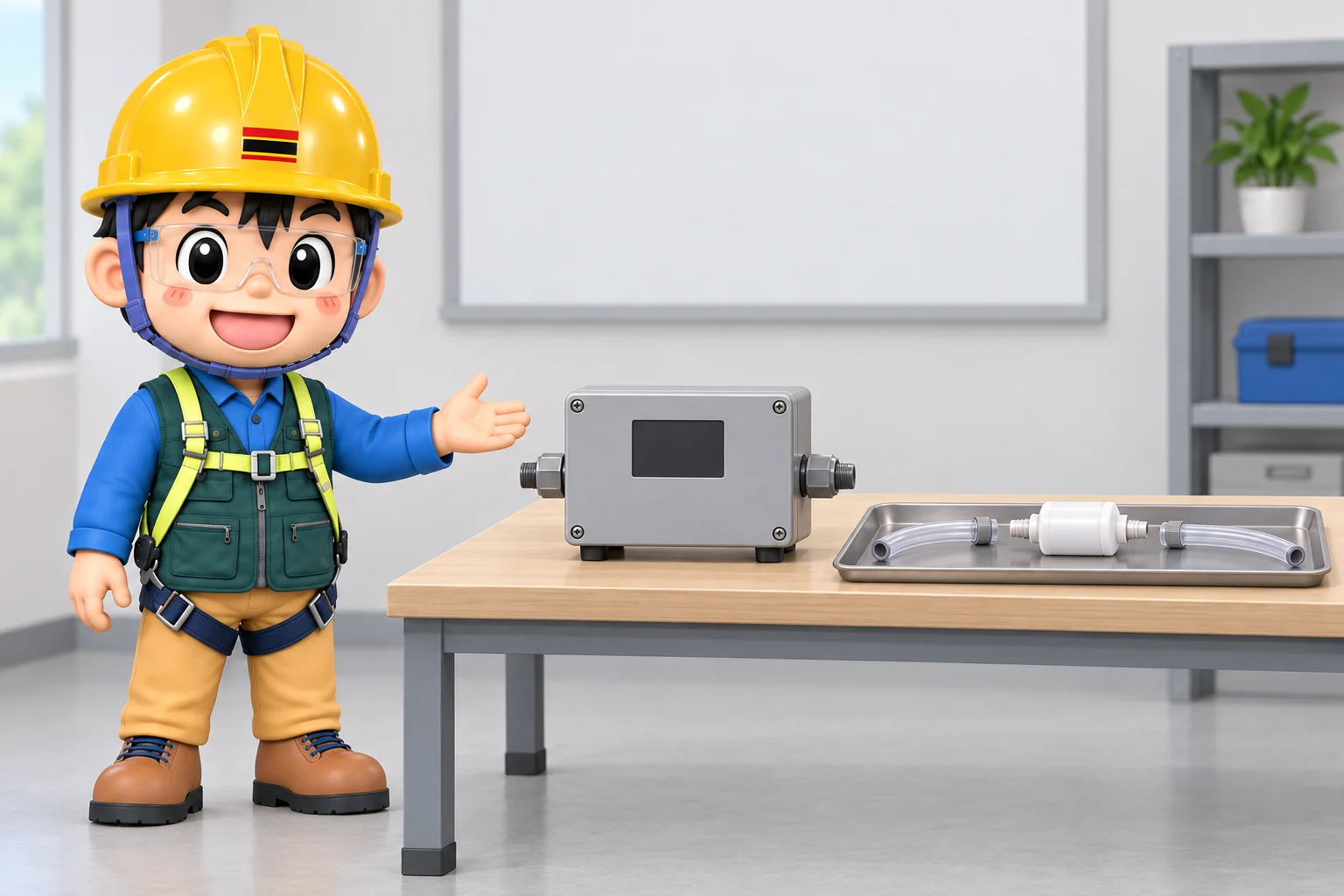
Fixed gas detectors: keeping the path from sampling point to alarm intact
Examine the sampling point, tubing, sensor and output of a fixed sampling detector, including the GD-70D manual’s non-explosion-proof and maintenance-mode limitations.
Read more →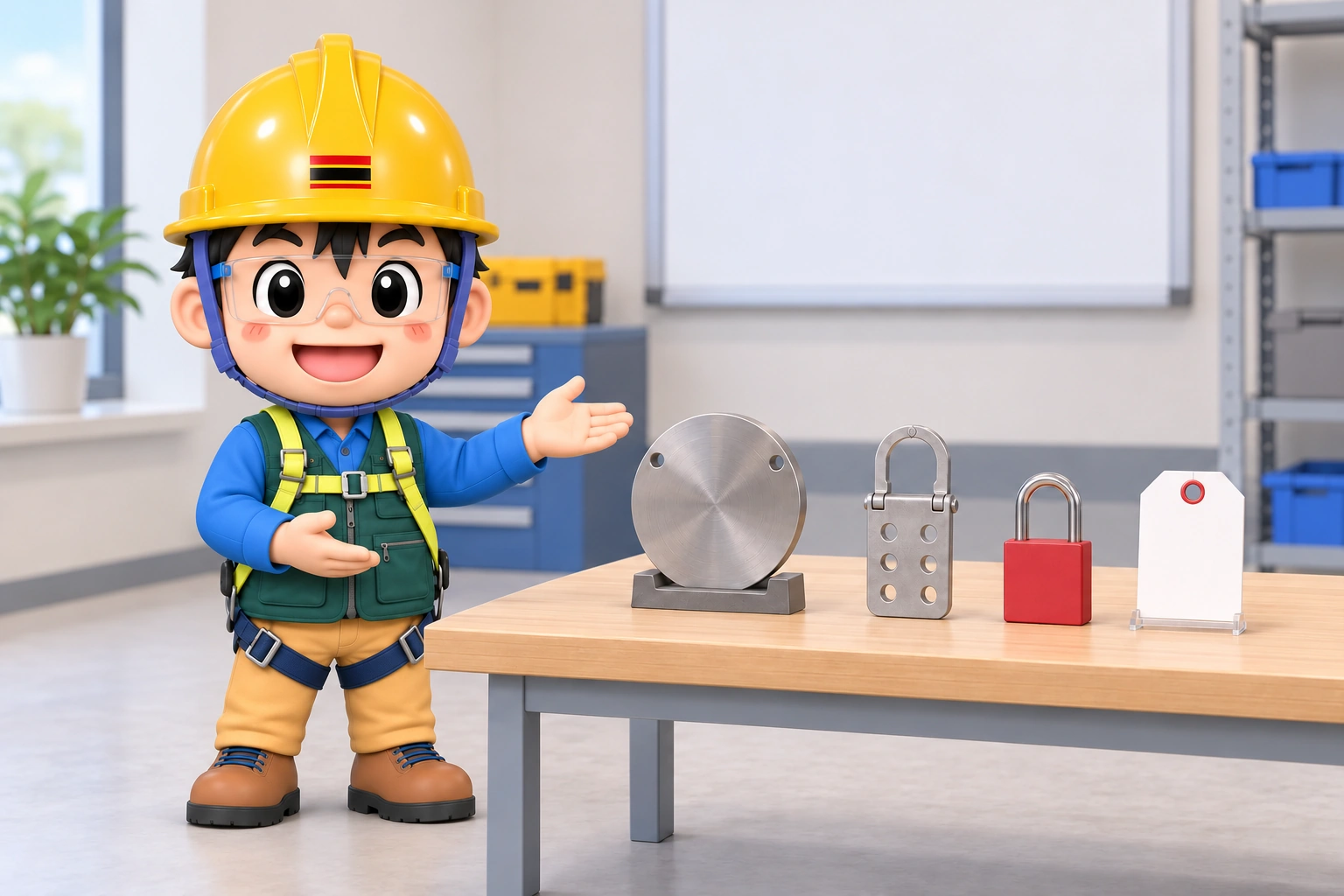
Blinds and LOTO devices: stopping fluid and preventing operation
Distinguish blinds, flange-bolt lockout devices and tags, and examine residual pressure and positive identification of the opening point.
Read more →