Safe work
Preparation starts with finding the missing precaution. Confined-space entry checks brings measurement, isolation, ventilation and rescue planning together. Follow it with pre-work toolbox meetings to discuss changes and stop-work conditions.
Compare the checks with the actual task and identify who will verify each condition, where and when. A checked box on a permit is not enough if the equipment state or simultaneous work has changed. Recheck those conditions before starting.

Reporting electric heat-tracing indications and insulation changes
Report heat-tracing indications separately from insulation changes and request separate process and electrical checks.
Read more →
Checking maintenance authorization after a reported backup-power transfer
After a backup-power transfer is reported, distinguish indications from confirmed supply and recheck the contractor permit and access boundary.
Read more →
Maintenance handover after finding a pump seal support system abnormality
Report wet traces and indications separately and verify access and maintenance restart conditions.
Read more →
Contractor maintenance handover of a flare knockout drum level abnormality
On notice of an abnormal flare knockout drum level, confirm the equipment and access boundary and hand over the work hold.
Read more →
Recording and handing over damage to fireproofed pipe supports
Separate the damaged face and its location, and hand over access restrictions separately from the fireproofing assessment.
Read more →
Contractor maintenance checks during a temporary emergency shutdown bypass
When emergency shutdown protection is temporarily bypassed, verify authorization, field indication, shift handover and restoration separately.
Read more →
Checking discharge direction, protective equipment and valve restoration at a process sampling point
Verify the sample receiver, discharge route, task-specific PPE, valve restoration and remaining restrictions at a process sampling station.
Read more →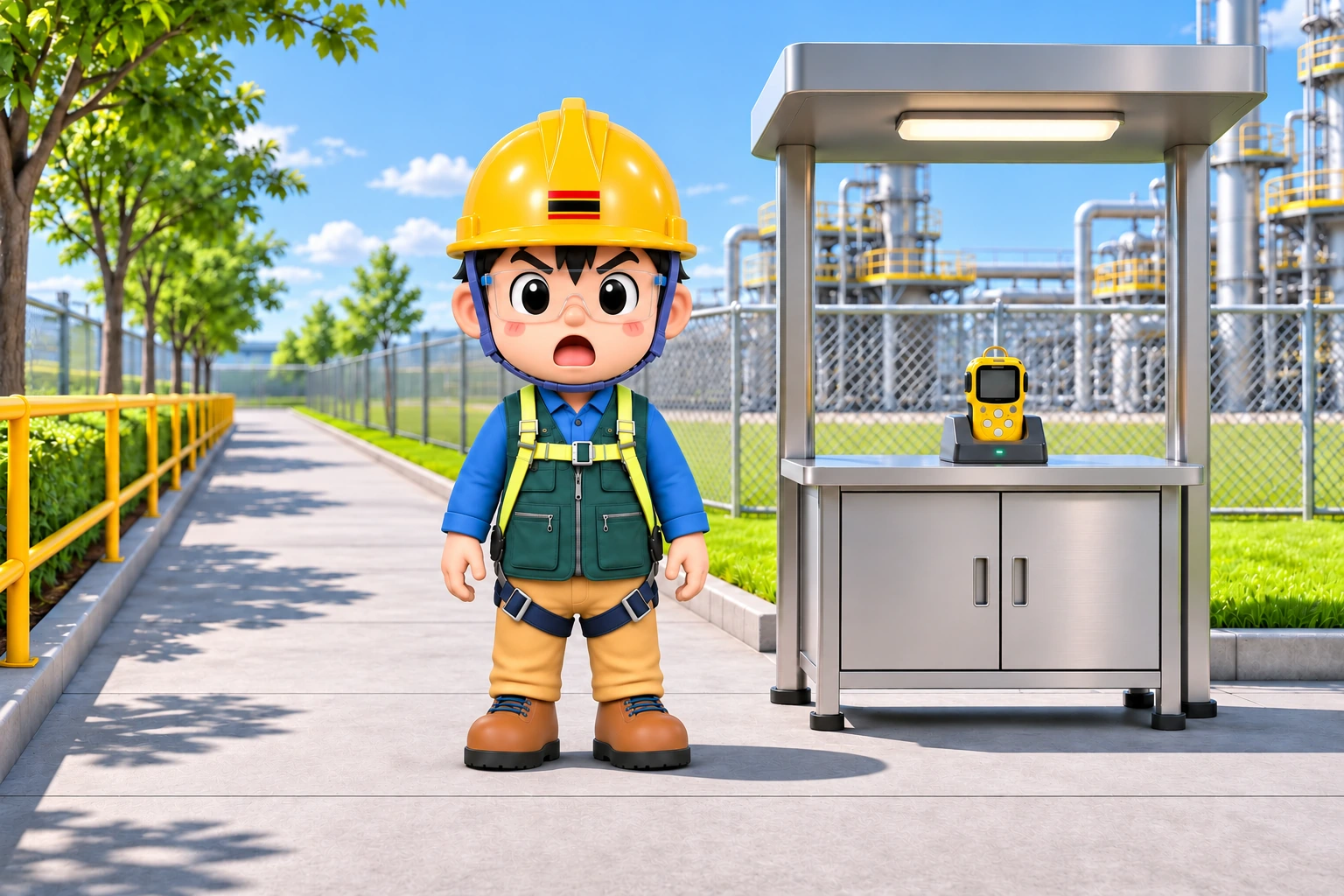
Wearing a personal hydrogen sulfide monitor and leaving on alarm
Verify a personal hydrogen sulfide monitor before use, wear it near the breathing zone, and report the location after leaving on alarm.
Read more →
Identifying burn exposure around steam traps and condensate outlets
Identify hot surfaces, discharge paths, operating changes, access restrictions and follow-up around steam traps and condensate outlets.
Read more →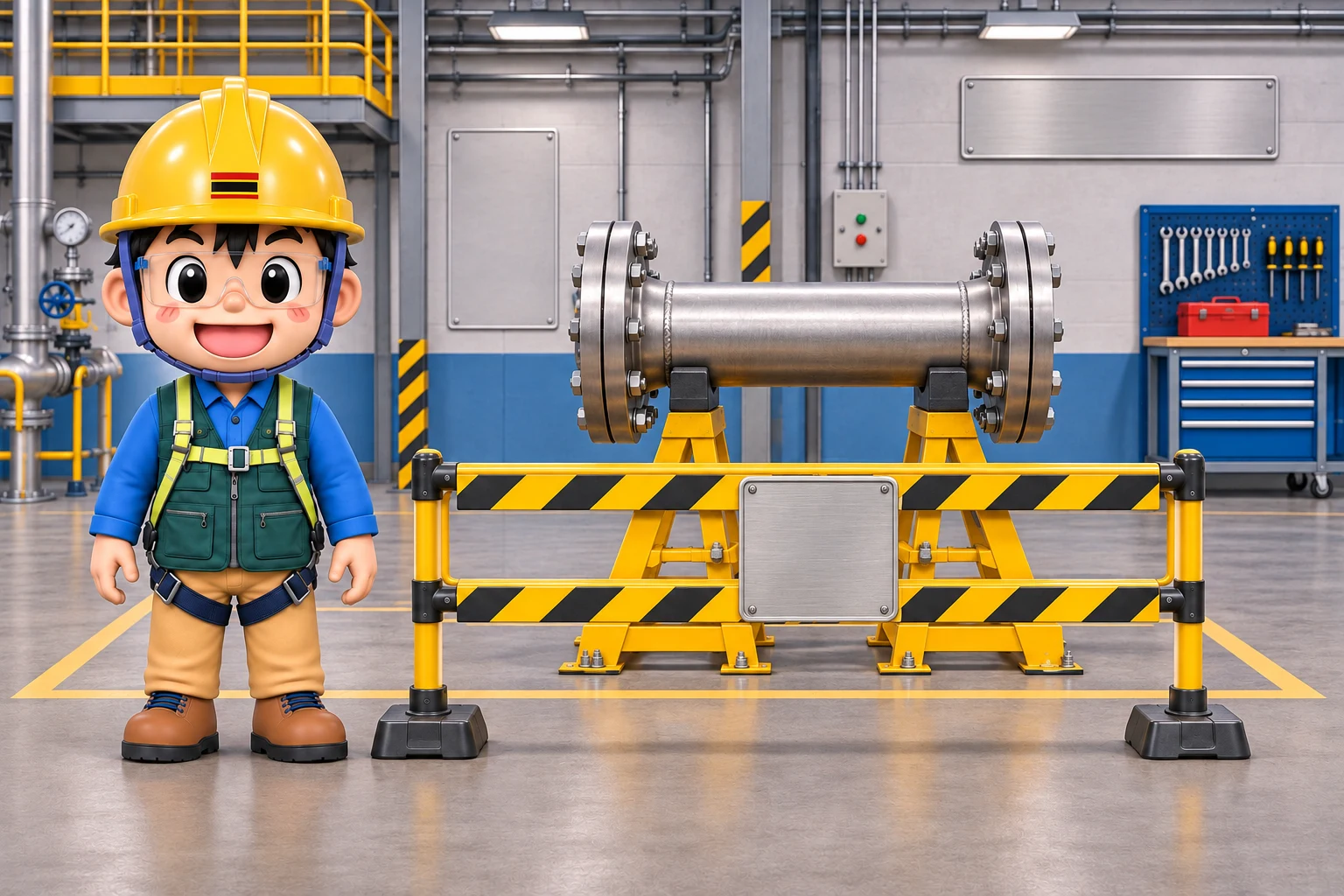
Handing over leak verification after flange bolt tightening
After flange assembly, hand over the joint and scope, leak verification conditions and results, access restrictions, and checks still needed before restart.
Read more →
Checks from the fixed landing before access onto an external floating roof
Before descending onto an external floating roof, review tank operation, visible pooling, the fixed landing and movable stair, atmosphere checks, and return arrangements.
Read more →
Reducing dropped tool and material exposure during elevated plant maintenance
For elevated plant maintenance, check tool tethers and anchors, small-part storage, platform gaps, the exclusion area below, and reopening after cleanup.
Read more →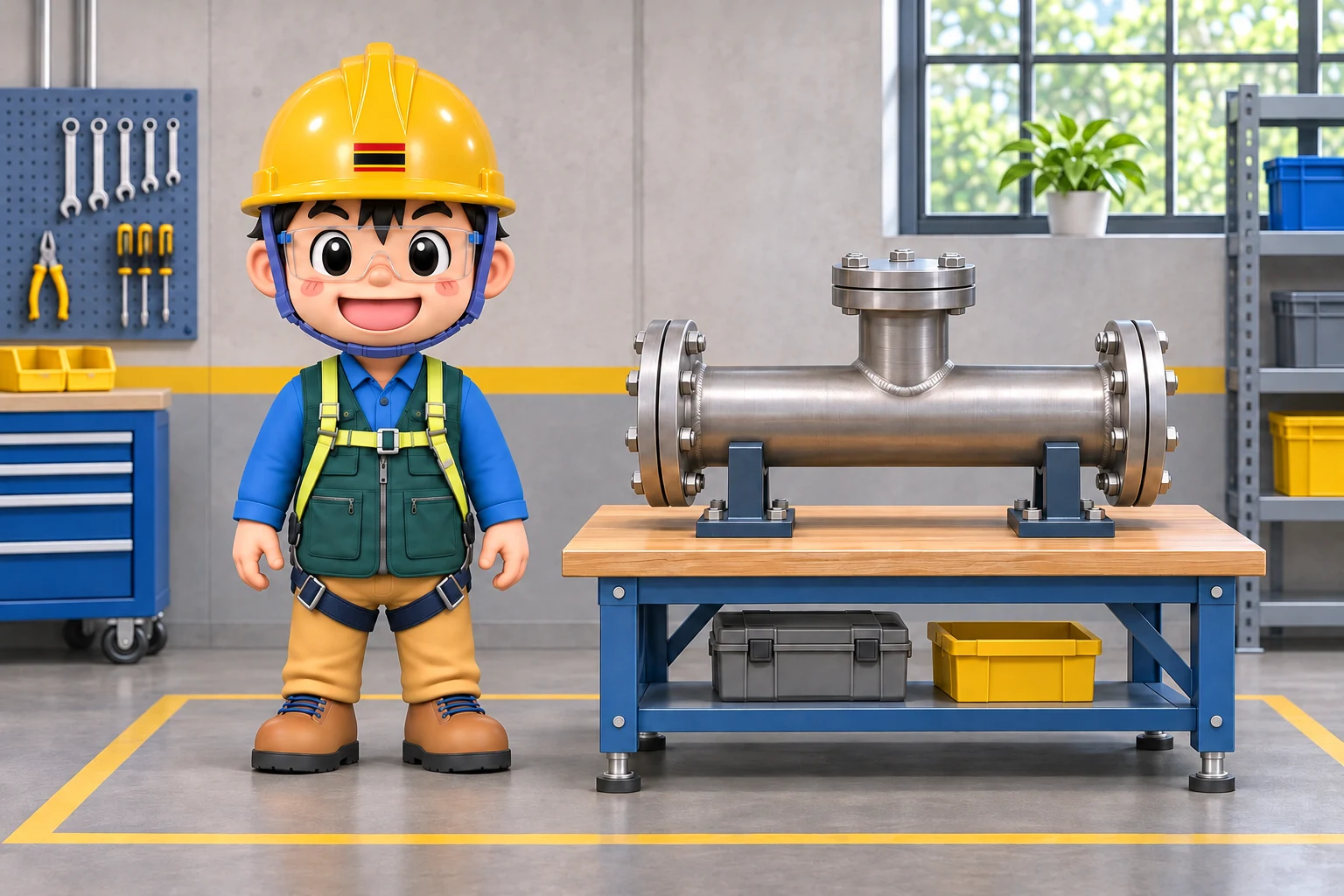
Verifying drain and vent end closures during restoration
During drain and vent restoration, check valve position, end caps or plugs, temporary connections and closed discharge routing branch by branch.
Read more →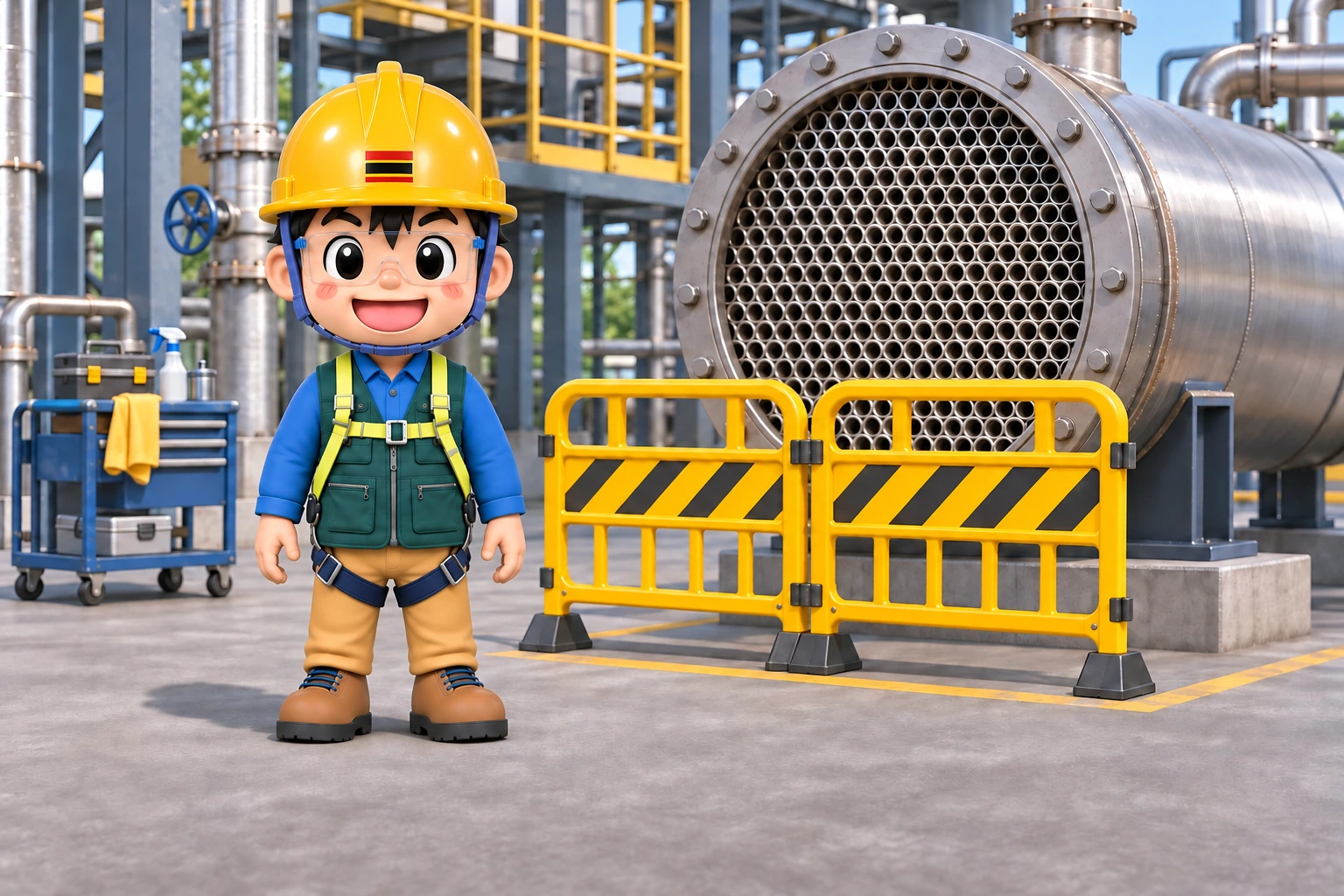
Setting the exclusion area for exchanger bundle extraction
Coordinate the extraction axis, end position, support transfers, communication stops, and handover of the exclusion area for a shell-and-tube exchanger.
Read more →
Holding and reopening a pallet rack bay after a suspected impact
After a suspected pallet rack impact, record visible conditions at the guard, upright, base and beam connection and verify the hold and reopening boundaries.
Read more →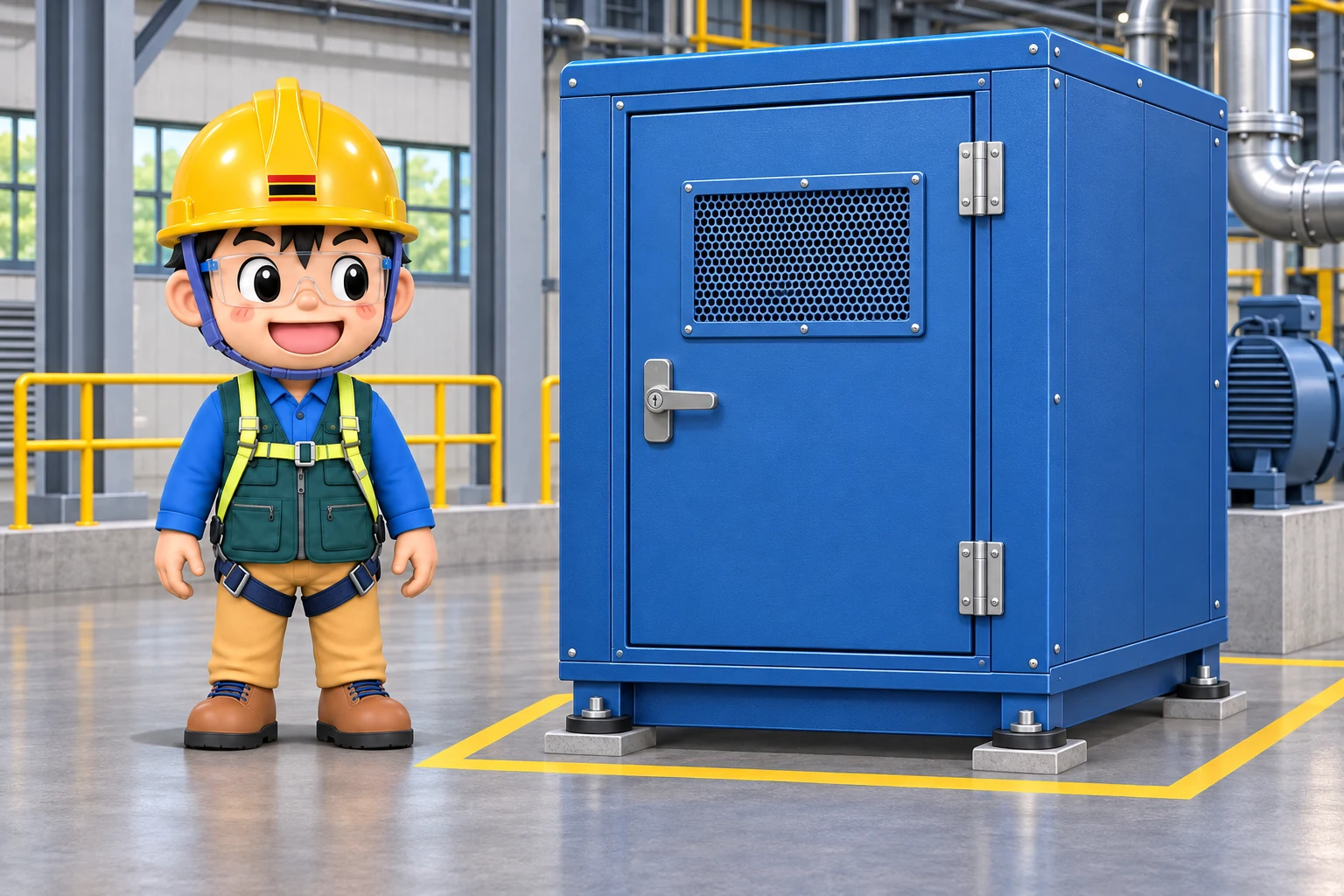
Checking door and panel restoration after acoustic enclosure maintenance
After acoustic enclosure maintenance, check the latch, door edge, removable panel and grille, then report observations to operations and occupational health.
Read more →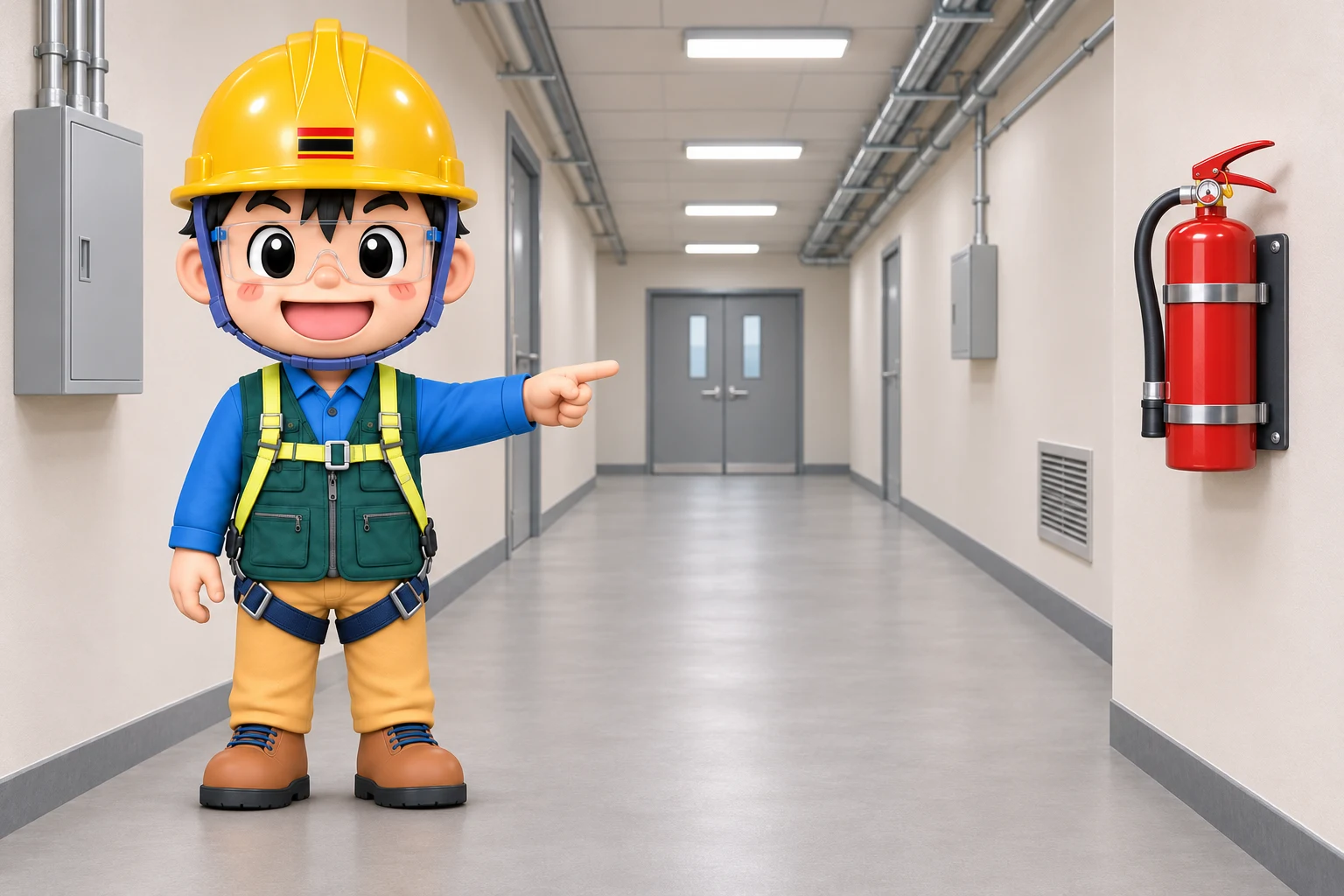
Checking that a portable extinguisher is visible and accessible at its assigned point
Check the sign, access space, and visible condition of a portable extinguisher, then record what still needs attention at its assigned location.
Read more →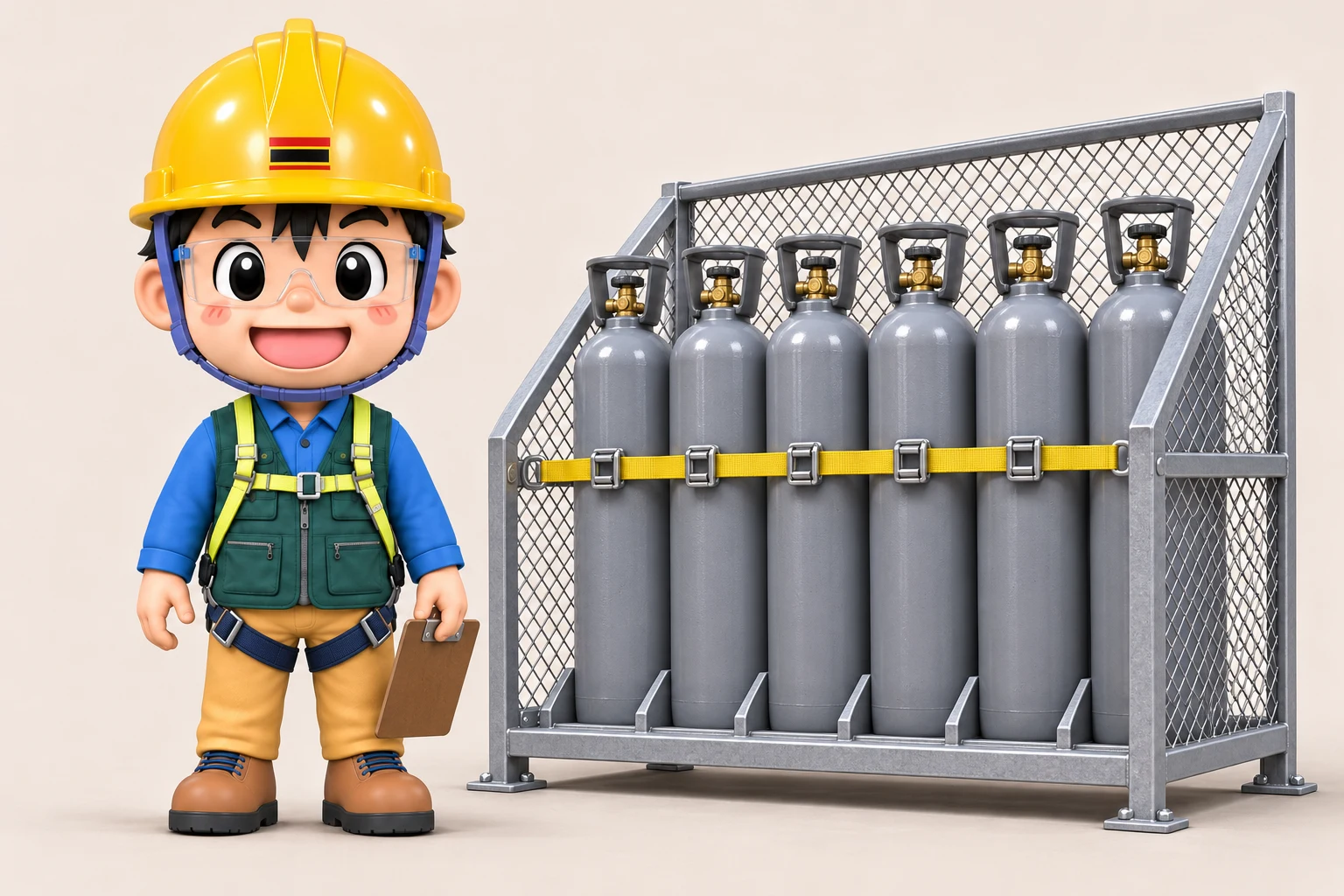
Checking the storage bay and restraint when returning welding gas cylinders
For returned welding gas cylinders, match status to the storage bay and report visible issues at the restraint and valve protection separately.
Read more →
Observe pipe supports and insulation cladding before handover
Identify the pipe section, separate support and cladding observations, and connect visible changes to assessment and reinstatement checks.
Read more →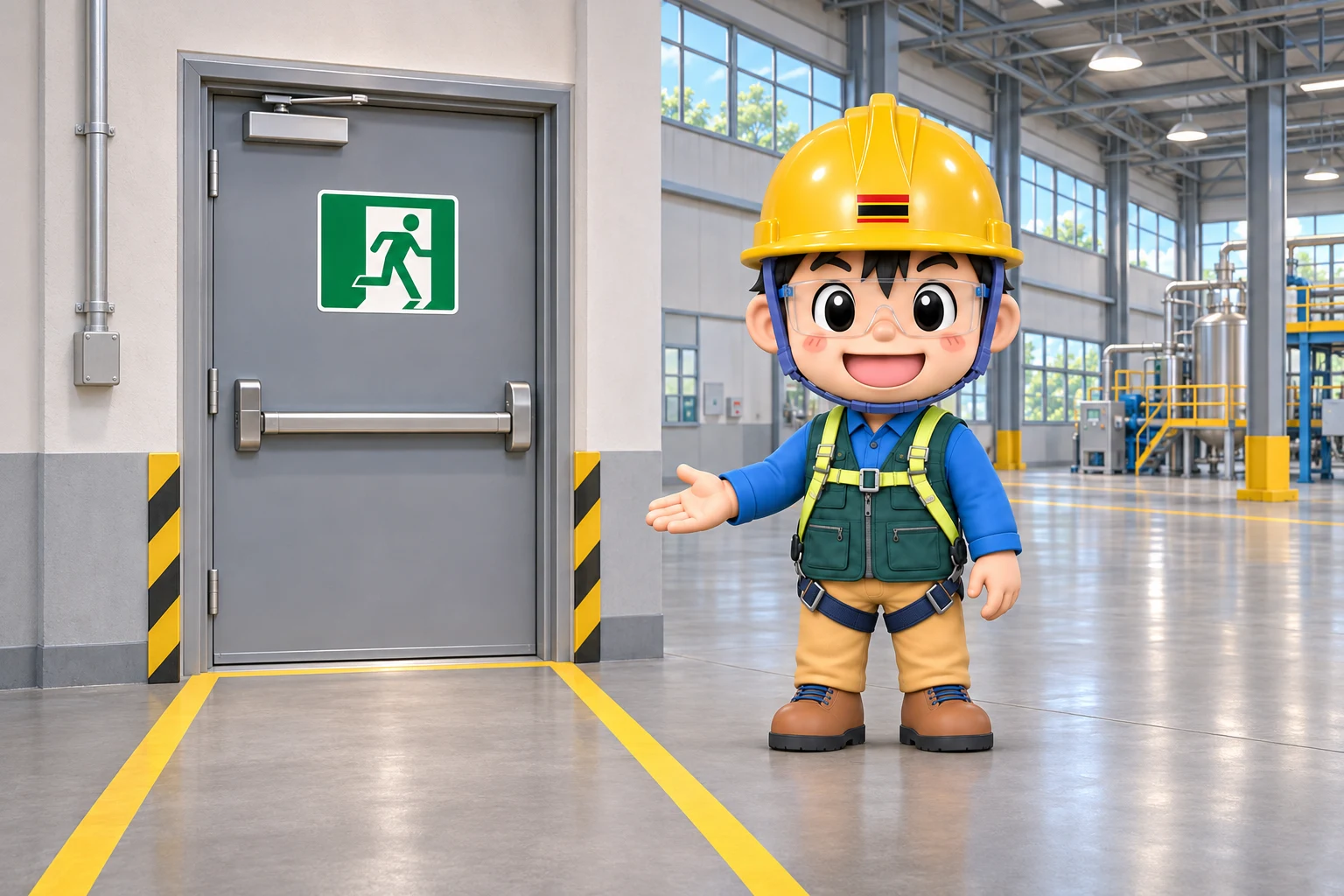
Check emergency exit doors, signs and connecting routes
Check the designated exit, signs and access on both sides, preserving fire-door conditions while handing over unresolved usability checks.
Read more →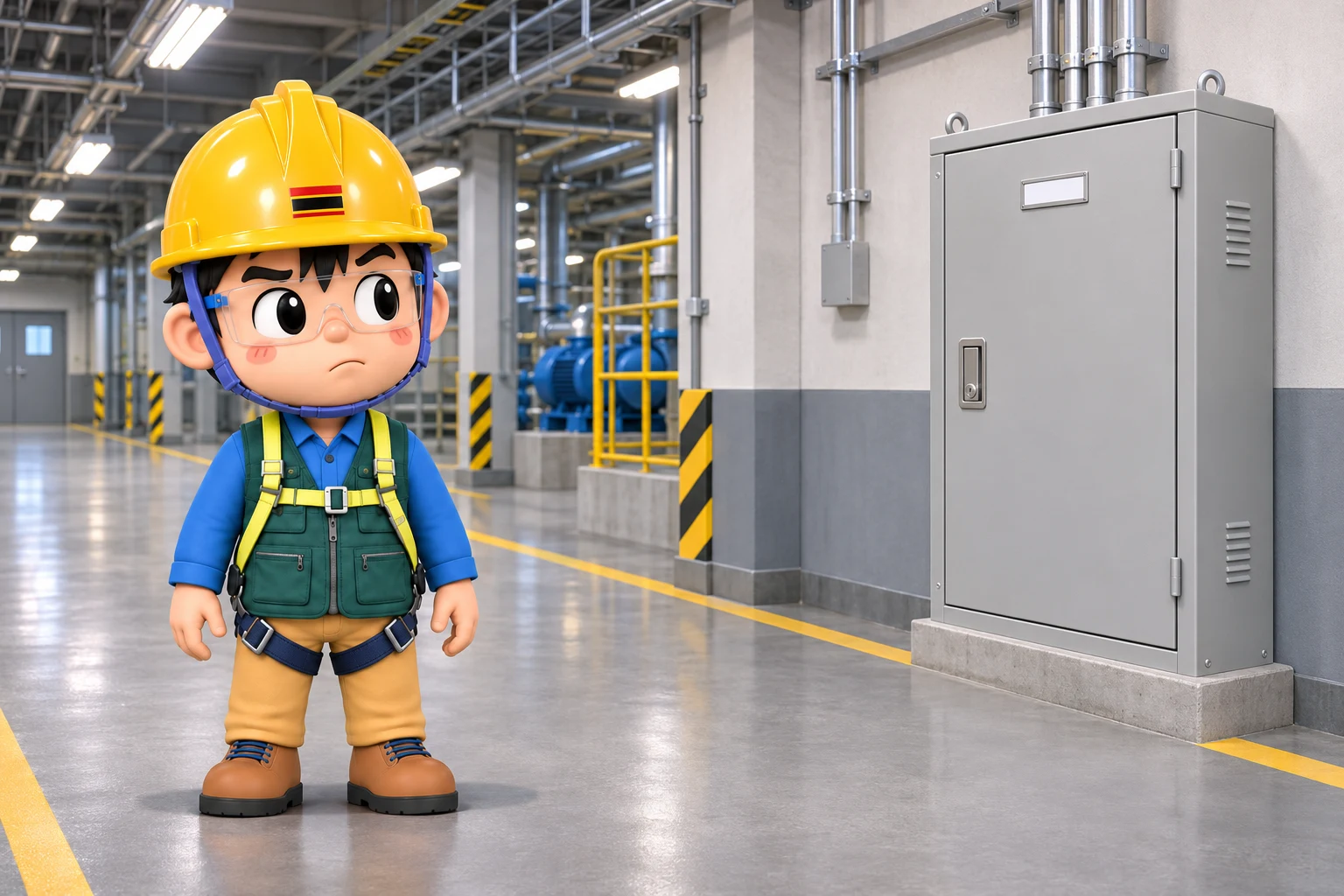
Check access, enclosure condition and identification at distribution panels
Check obstructions, enclosure condition and labels outside a closed panel, and keep electrical verification separate from external observation.
Read more →
Identify field pressure gauges and report unreadable or damaged indications
Match the gauge identity, distinguish unreadable indications from visible damage, and hand over unresolved checks to operations and instrumentation.
Read more →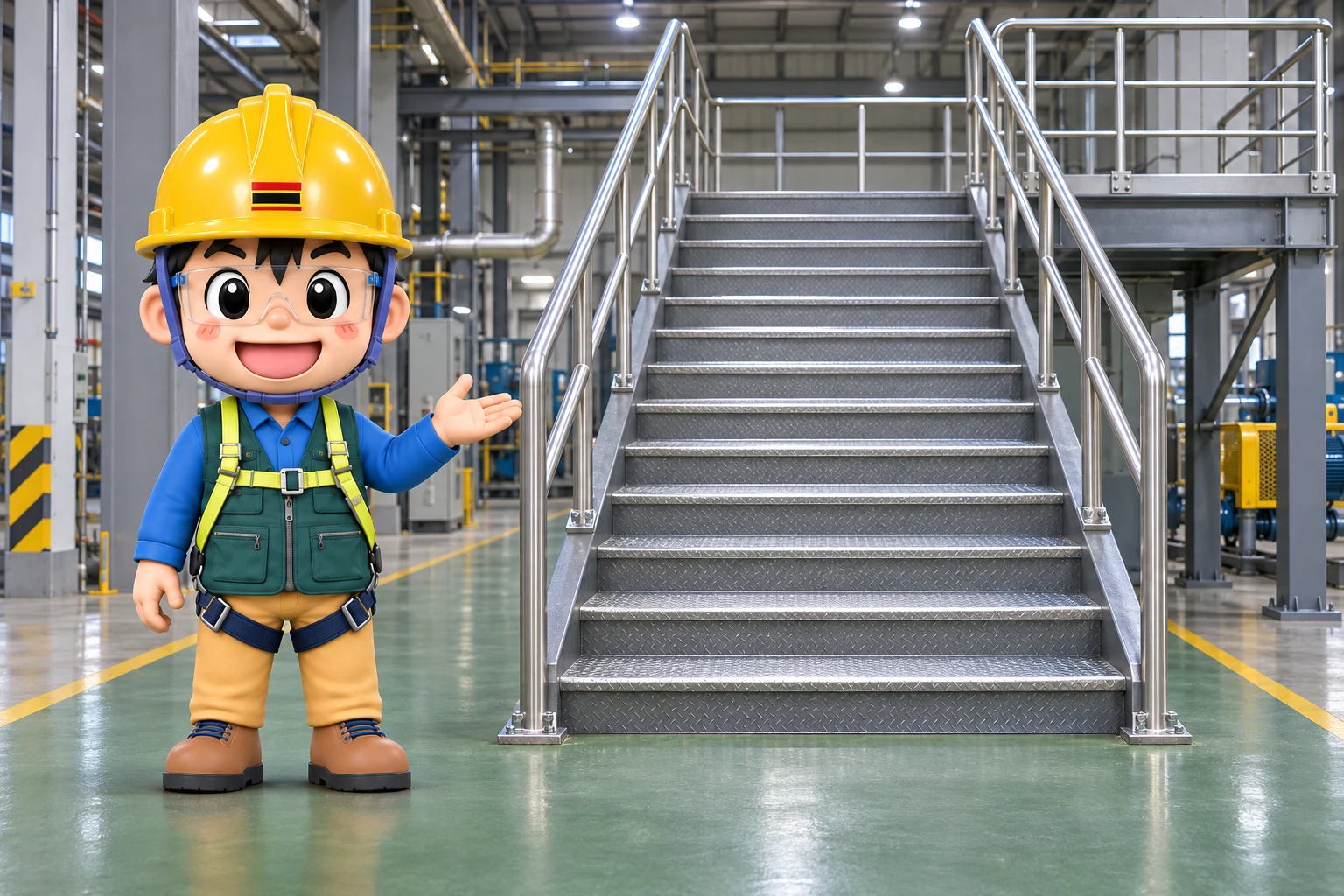
Check treads, handrails and landings on fixed equipment stairs
Check fixed-stair treads, handrails, post fixings and landings, and connect visible changes, repair history and access limits to responsible inspection.
Read more →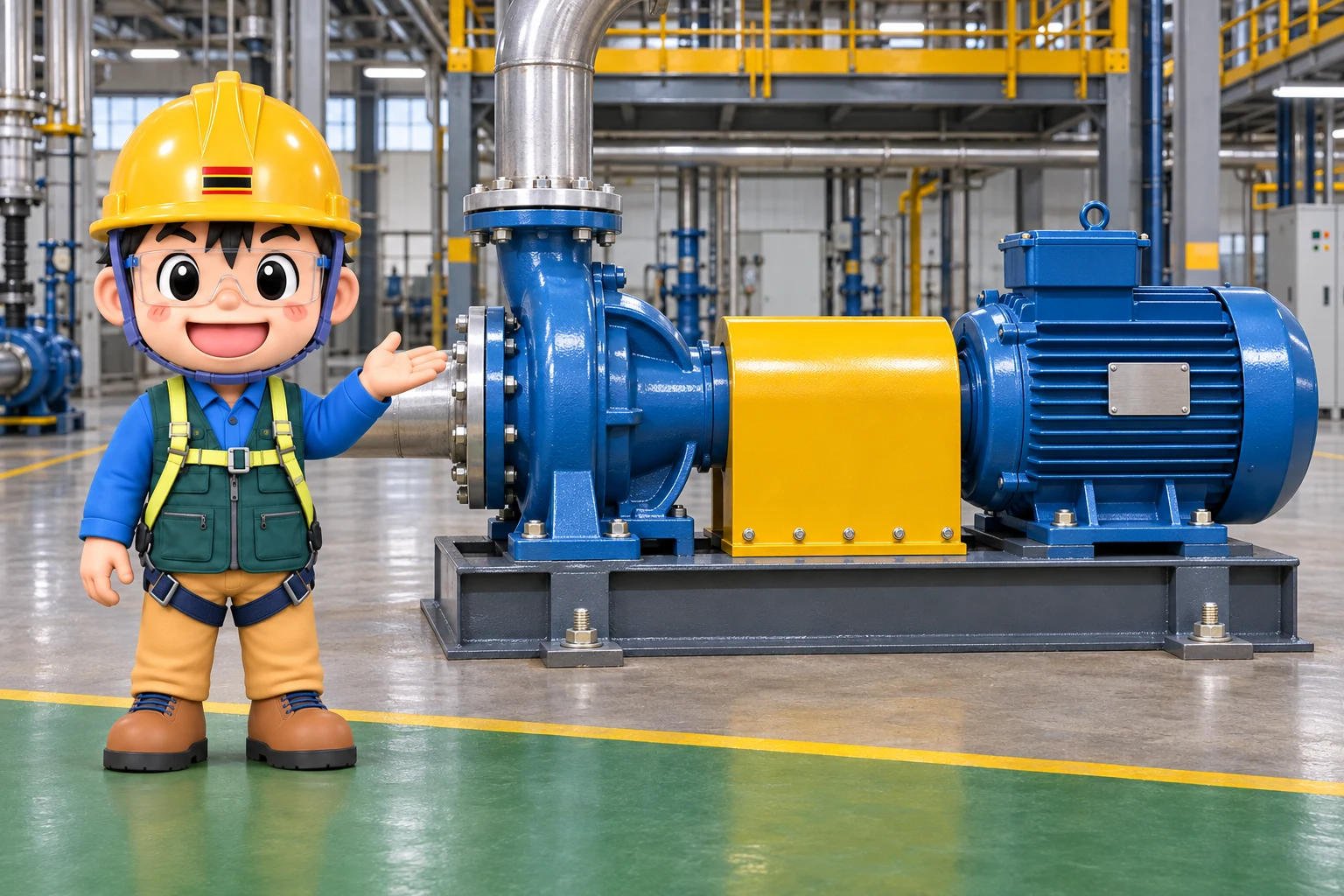
Check and hand over fixed pump-coupling guard condition
Match fixed pump-coupling guards, visible fasteners, base fixings and equipment identity, and hand over missing parts, damage and restoration scope.
Read more →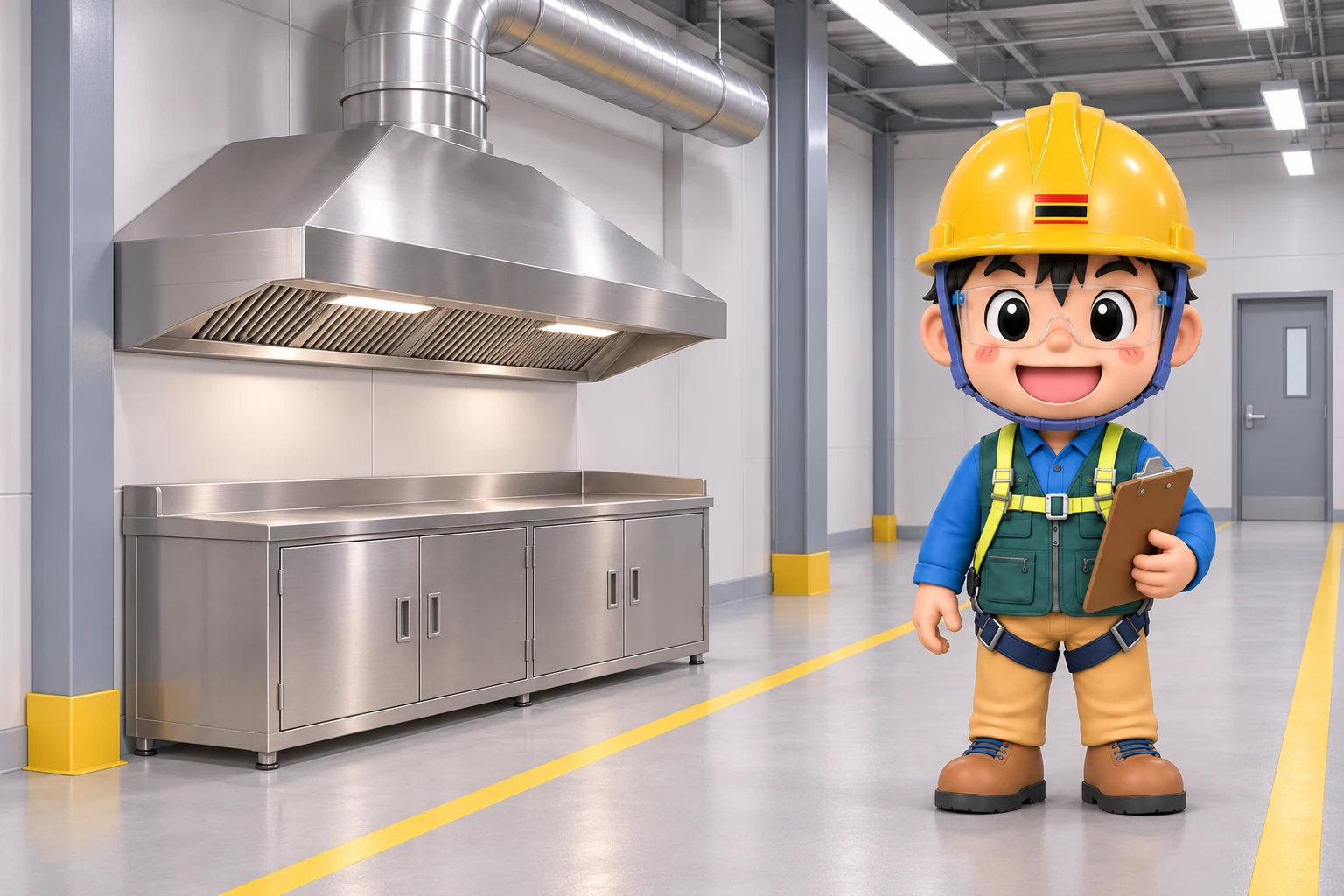
Check source position and interference at local exhaust hoods
Match emission points to intended hood zones, check obstructions and airflow changes, and hand over performance records and unresolved conditions.
Read more →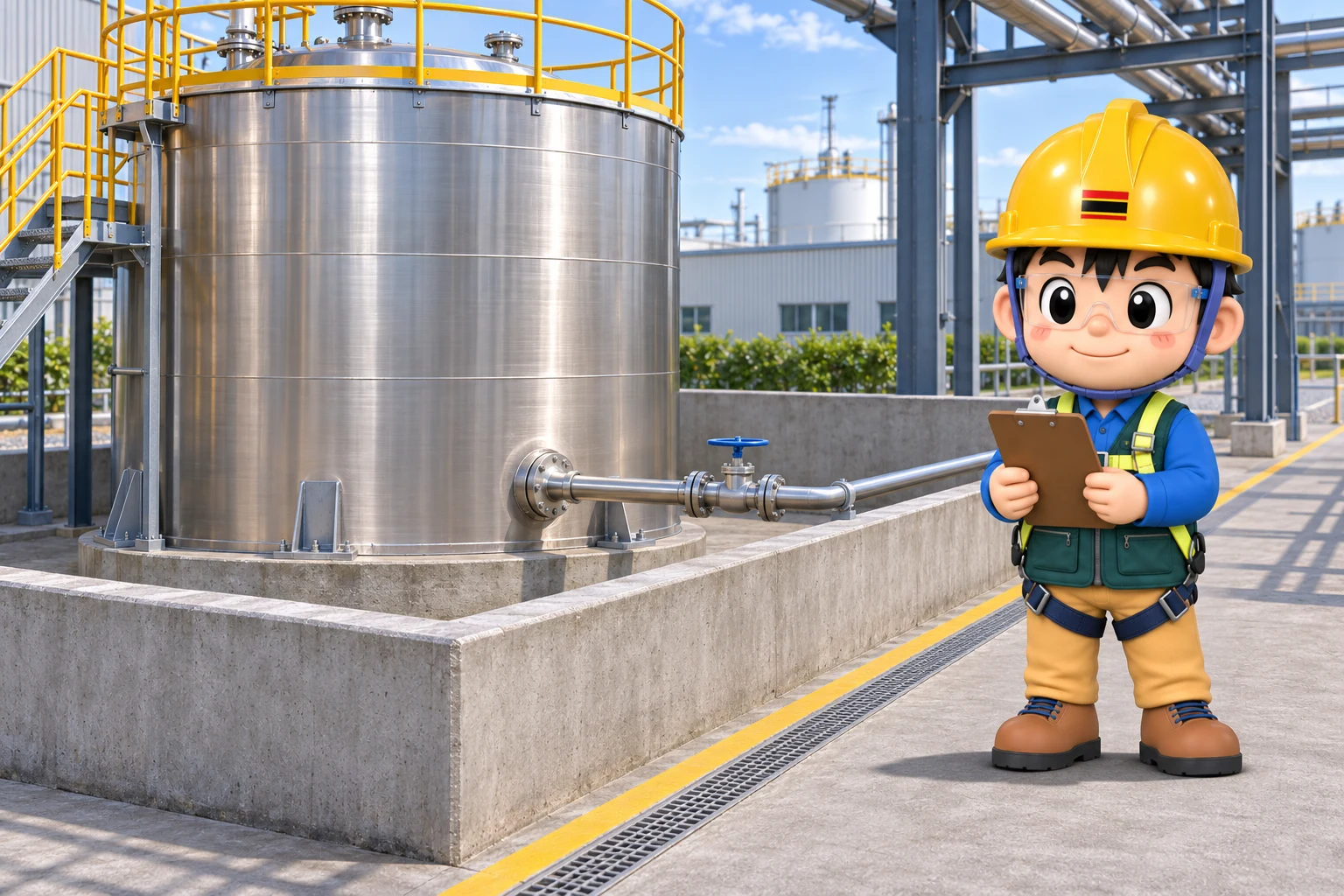
Check tank bund penetrations and hand over drainage status
Identify tank bund penetrations and drainage controls, establish normal conditions, and hand over liquid-handling decisions, completion state and remaining issues.
Read more →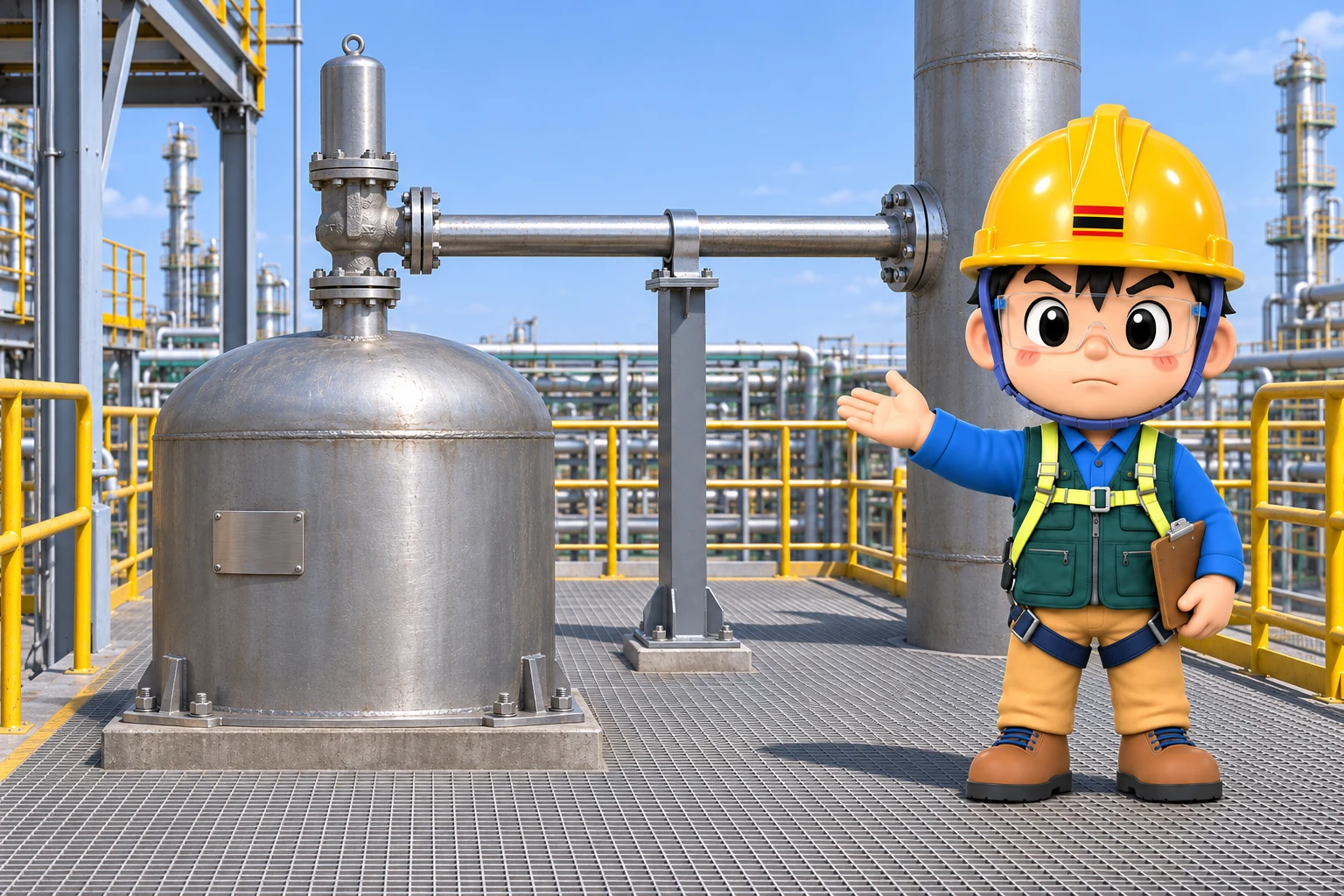
Verify pressure-relief protection routes and hand over status
Trace protected equipment, relief inlet and discharge routes, verify the basis for isolation and treatment arrangements, and hand over unresolved conditions.
Read more →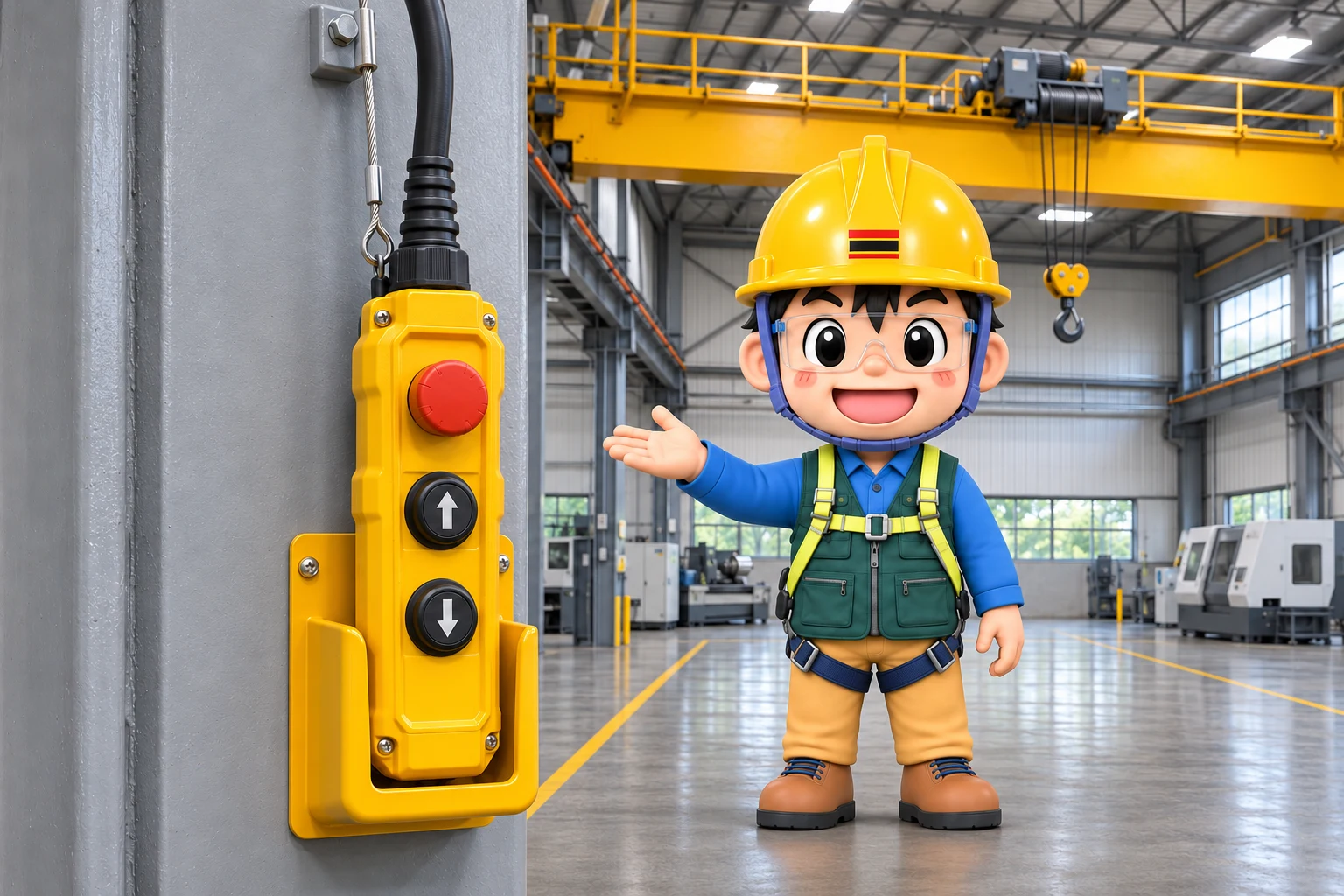
Check crane pendant directions, buttons, cable and storage
Match a crane to its pendant, verify direction markings, buttons and cable, and connect safe operating positions and signals to designated storage.
Read more →
Prepare access and readiness of emergency washing facilities
Prepare emergency shower and eyewash access, signs, controls and supply readiness, and connect unresolved conditions to responsible work preparation.
Read more →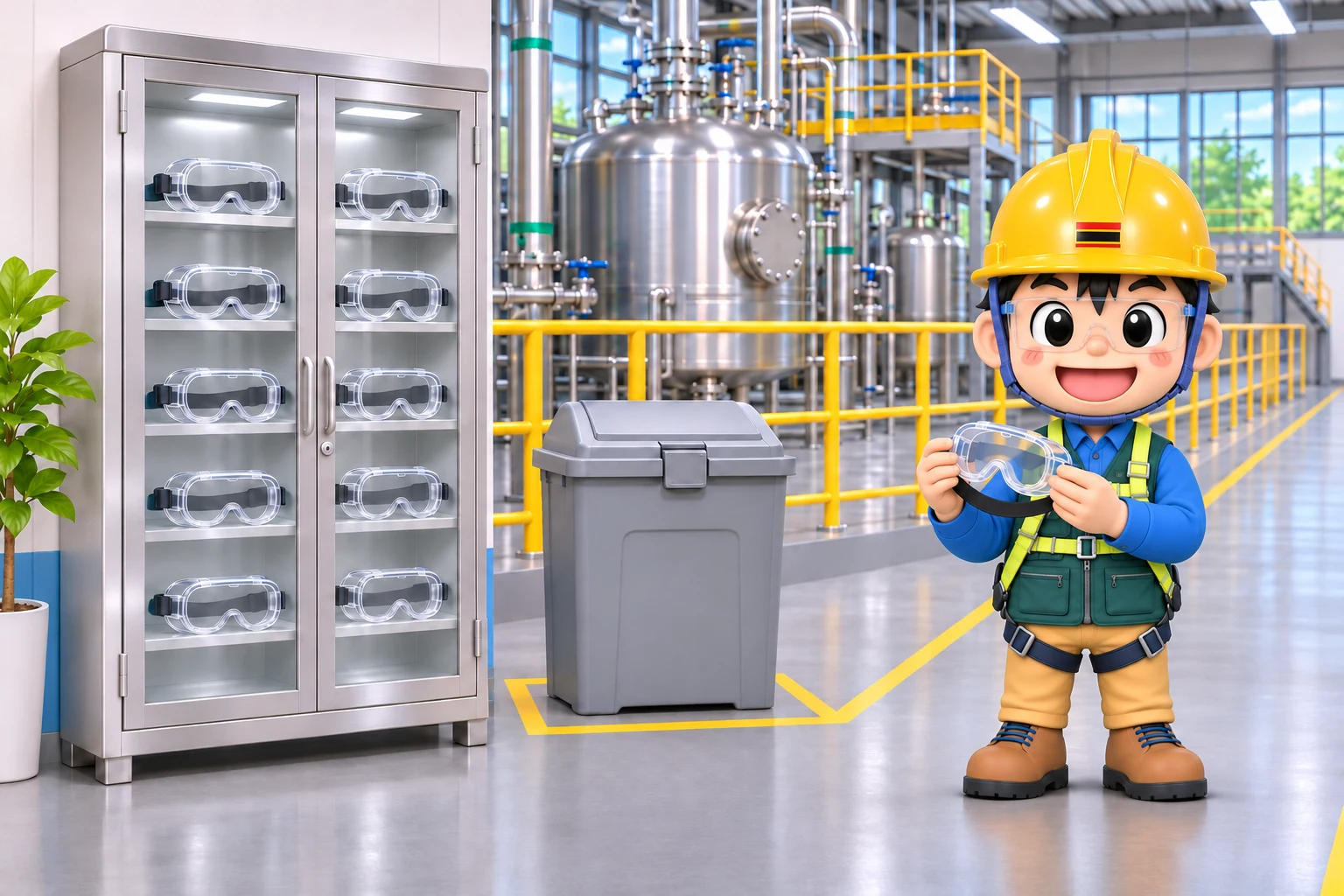
Prepare splash goggles and hand over returned condition
Match splash goggles to task requirements, check fit, vision, lens and frame condition, and separate contaminated returns for appropriate handling.
Read more →